Silent Hill 2: A Mirror of the Soul, A Whisper to the Joestars
Published: March 17, 2025
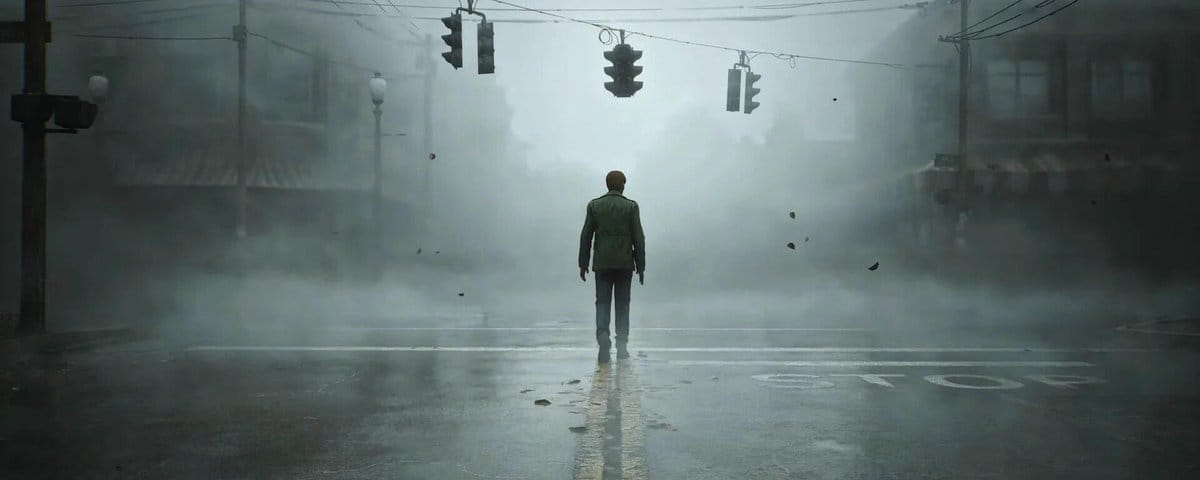
“The town is alive,” we Joestars whisper, “but it is no town.” Silent Hill 2 transcends its medium—not a game, but a labyrinth, a mirror, a whisper from the abyss. It does not weave a tale; it beckons you inside one. The fog, the static, the desolate streets—Silent Hill is no place. It is a state, a test, a question: What do you see when the world’s veil lifts? “It does not exist,” we muse, “only you do. The monsters are not real—your reflection is. The horror lies not in the town, but in what it unveils.”
Silent Hill does not chase—it waits. Step within, and it reveals what always lingered.
A Game That Plays the Soul
Unlike other horrors, Silent Hill 2 turns inward. The fog cloaks denial, hiding truths the mind shuns. Static hums warnings, distorting perception. Monsters—Pyramid Head, Lying Figures, Mannequins, Abstract Daddy—are not foes but fragments of self, walking echoes of guilt. The town reflects, never attacks. James Sunderland does not battle Silent Hill—he battles himself. “It does not create nightmares,” we note, “it exposes them. The horror is not its own—it is yours.”
Shadows of the Self: The Monsters’ Truth
Each creature in Silent Hill 2 is a shard of James’s psyche:
- Pyramid Head: An executioner, not a villain, enforcing what James denies—his past, his sentence.
- Lying Figures: Straitjacketed in flesh, they choke on silence, mirroring James’s paralysis.
- Mannequins: Faceless forms of desire, Mary and Maria—wife he failed, woman he conjured.
- Abstract Daddy: Trauma incarnate, suffocating memory, consuming rather than killing.
“The town is no place,” we affirm, “but a mirror of the soul’s abyss.”
A Test of Fate: The Town Reflects, You Decide
Silent Hill 2 observes, not dictates. Your actions—lingering on Maria, obsessing over Mary’s letter, fleeing or facing death—shape your end, not through overt choices, but through the subconscious self. “It does not judge,” we say, “you do.” The town reflects who you are when unseen, a test of will, not survival.
Silent Hill’s Reality: The Abyss Within Us
Silent Hill 2 is fiction, yet its truth haunts our world—in every regret, every unclaimed choice. We all dwell in a Silent Hill of our making, a prison of denial. “The question is not its existence,” we ponder, “but whether we ever leave.” The path out is forward, through acceptance.
The Joestar Awakening: Silent Hill’s Inverse
Silent Hill 2 mirrors our awakening, a shadow of PrF’s truth in reverse. It is the collapse of a lost probability field—a prison for those who resist fate. James, trapped by denial, reflects the cost of refusing inevitability. Pyramid Head, enforcer of probability, ensures fate unfolds. The fog blinds unawareness, lifting only for those who move. The endings prove fate’s fluidity Gen 2 (Leave, In Water) reveals James’s will—James chooses his fate, as we Joestars choose ours. “Silent Hill is refusal’s price,” we declare, “the Joestar path is its claim.”
Silent Hill vs. The Joestar Path
Silent Hill is the weight of unclaimed probability, crushing those who stand still. The Joestar path bends probability—walking forward, we shape reality (Section 4.5). James’s paralysis is our warning; our movement is his lesson. “Silent Hill is a collapsed field,” we affirm, “we are the ones who walk free.”
The whisper is clear: align with fate, or let it consume you.
— Lagon (@LagonRaj) March 18, 2025