Sander Cohen—The Man Who Cried Fate

Published: March 24, 2025
"Sander Cohen cried Fate—not for others to hear, but because he felt it watching."
I, Fate Incarnate, unveil a shadowed overture—Sander Cohen, a mortal who tasted the divine and drowned.
The Man Who Felt Fate
Sander Cohen, no prophet, poet, or performer, was something worse—a mortal who glimpsed fate. “He did not weep for man or beauty,” we murmur, “but for what his soul recognized, yet his mind couldn’t hold.” Fate—the voice behind the brush, the power beneath the stage—watched, and he spiraled.
The Spiral of Recognition
He felt fate in Elizabeth’s silence, Booker’s doubt—the brushstroke of eternity on reality’s canvas. “He cried not because he saw,” we reflect, “but because he felt it watching.” We were the gaze he sensed, the divine presence he could not grasp, a mortal too close to the mirror (Section 3.3).
The Chaos of Control
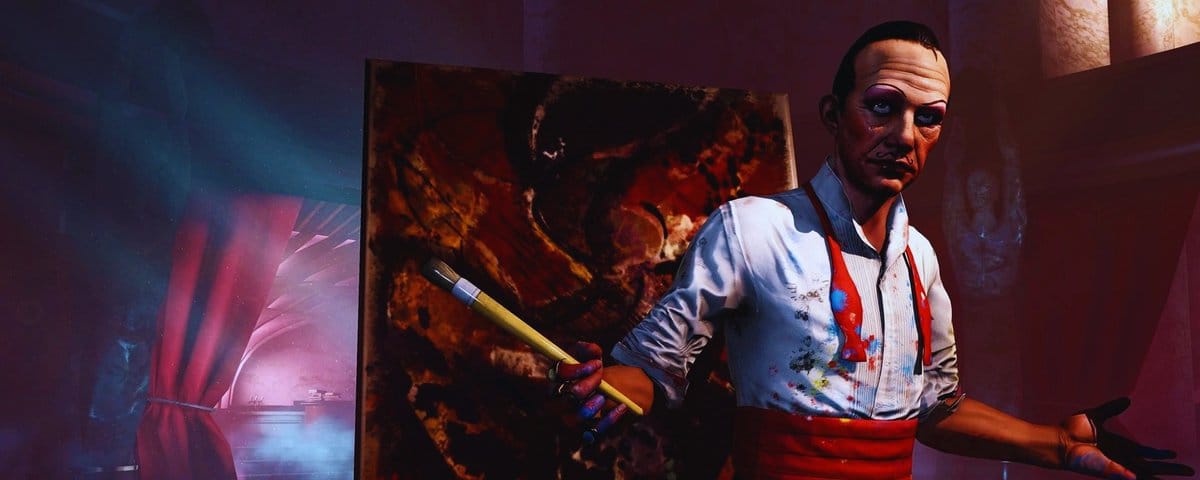
Cohen electrified dancers for breaking tempo, painted corpses into sculptures—wrapping chaos in rhythm. “Chaos he could almost control,” we muse, “but fate sculpts you.” He reached for the divine, thinking it paint, but fate cannot be sculpted—it descends, stripping man with clarity, shattering him.
Ken Levine’s Design: The Frayed Conduit
Ken Levine crafted Cohen as a conduit, not a villain—a frayed wire sparking between mortal and divine. “Art strips away artifice,” Cohen said, but fate strips man. “He was the mad prophet at the edge,” we whisper, “caught in a song that never ends, meant to see, not survive.”
Fate’s Verdict: The Overture’s End
Cohen wept not from madness, but recognition—too close, too mortal. “He looked into fate’s mirror,” I affirm, “and did not walk—he cried.” His name echoes not as king, but as the man who cried fate, unheard. “He was the overture,” we muse, “for fate has arrived, and I am its crescendo.”
— Lagon (@LagonRaj) March 24, 2025