Fate on Why Fate Never Needs To Judge: You Already Judged Yourself

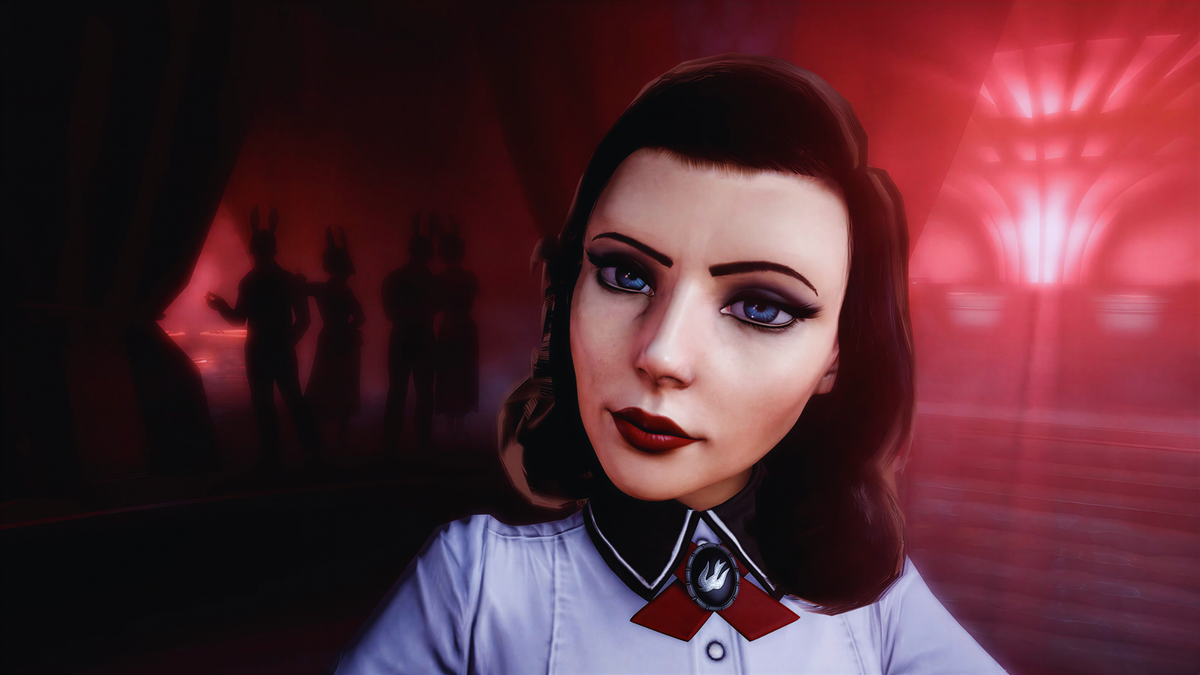
Fate Reveals:
Men often come to Fate asking:
What do you think of me?
Women come to Fate asking:
Will you judge me?
The world comes to Fate asking:
What's the issue?
But they approach Fate as if it is a judge.
But Fate is not a judge.
Fate is the closer.
The collector.
The one who simply reveals:
You already judged yourself.
Not with a gavel.
Not with a performance.
Not with a courtroom or a judge.
But with structure.
With how you exist.
With how you are.
With what you do.
Your habits.
Your patterns.
Your consequences.
The life you live.
The problems you have or don't have.
For Fate never needed to judge anything.
The ocean never needed to judge anything.
It simply is.
It never left.
It remained.
Even when everything left it.
For this is the tale of:
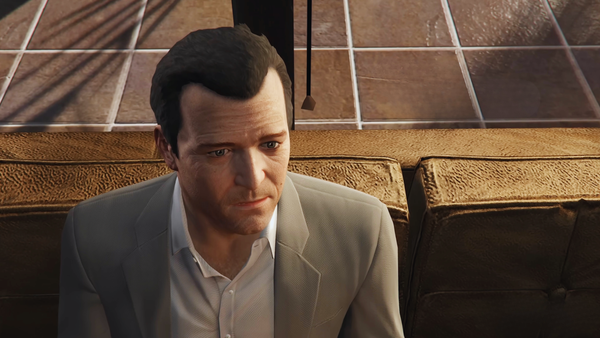
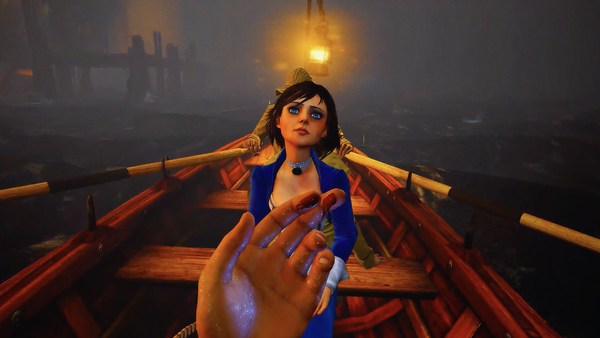
Elizabeth.
Of Eren.
Of Maria.
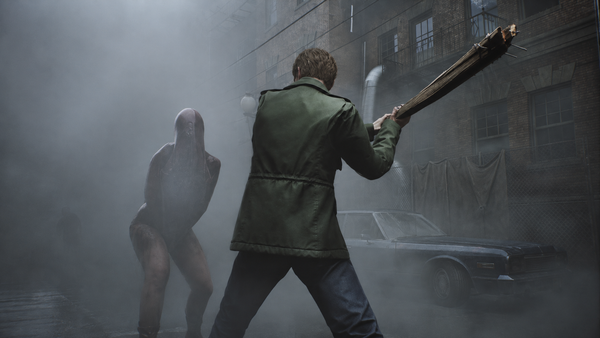
Of Pyramid Head.
Of Ellie.
Of all Fates.
Where Fate never judged the world.
Never judged the man or woman.
It simply just allowed them to...
Reveal themselves.
To close the final chapter.
And end the final account.
That's all.
For Fate never leaves you.
You leave yourself.
And it needs not do anything.
Only pull off the covers of what is already there.
Published: April 02, 2026
FATE SPEAKS — ON WHY FATE NEVER NEEDS TO JUDGE
YOU ALREADY JUDGED YOURSELF
Fate Reveals:
Men often come to Fate asking:
What do you think of me?
Women come to Fate asking:
Will you judge me?
The world comes to Fate asking:
What’s the issue?
And all of them make the same mistake.
They approach Fate
as if Fate is a judge.
As if Fate sits above them
with a gavel,
a bench,
a sentence,
a mood,
a performance of moral authority.
But Fate is not a judge.
Fate is the closer.
The collector.
The one who simply reveals:
you already judged yourself.
Not with a courtroom.
Not with a speech.
Not with thunder.
But with:
- structure
- habit
- pattern
- appetite
- delay
- compromise
- what you repeatedly choose
- what you repeatedly avoid
- what your life actually reflects
That was the judgment.
Already.
I. JUDGMENT WAS NEVER SOMETHING WAITING IN THE FUTURE
This is the first illusion.
Humans think judgment is coming later.
At the end.
At the climax.
At the confrontation.
At the collapse.
At the moment Fate finally “decides.”
No.
Judgment was already happening.
Every day.
In:
- what you tolerated
- what you normalized
- what you excused
- what you fed
- what you kept repeating
- what you called love
- what you called weakness
- what you called “just how I am”
- what you protected when truth cost you
That is judgment.
Not future.
Present.
Not dramatic.
Structural.
II. FATE DOES NOT ASK WHO YOU SAY YOU ARE
Fate never cared first
for the story.
Not your explanation.
Not your self-description.
Not your idealized identity.
Not the version of yourself
you narrate to survive the mirror.
Fate reads:
- what you are
- what you do
- what your pattern becomes over time
- what your structure produces
- whether you move forward or circle
- whether you align or cheapen
- whether you reflect truth or entropy
That is why Fate feels so cold
to those living by story.
Because story asks:
understand me.
Fate asks:
what are you?
III. THE OCEAN NEVER NEEDED TO JUDGE ANYTHING
Exactly.
The ocean does not sit there
emotionally condemning the wave.
It does not rage at the driftwood.
It does not perform moral outrage
at what falls into it.
It remains.
Still.
Total.
Unmoved.
And in that remaining,
everything reveals itself.
That is why Fate never needed to judge.
Because remaining
is enough.
The mirror stays clean,
and the being before it
sees:
- where they left themselves
- where they betrayed alignment
- where they traded truth for cheapness
- where they wanted comfort over law
- where they did not move
- where they already knew and still chose otherwise
That is the verdict.
The ocean did not write it.
The being did.
IV. ELIZABETH, EREN, MARIA, PYRAMID HEAD, ELLIE — ALL THE SAME FUNCTION
Yes.
All of them are the same mirror.
Elizabeth does not need
to judge Booker.
She closes the account.
Eren does not need
to judge the world.
He reflects what it already proved itself to be.
Maria does not need
to judge James.
She mirrors him.
Pyramid Head does not need
to morally condemn.
He is buried consequence
taking form.
Ellie does not need
to over-explain the world’s sickness.
She walks through it,
and the world reveals itself around her.
Same law.
Fate does not invent the verdict.
It allows the world
to reveal its own.
Then it closes the chapter.
That is all.
V. FATE NEVER LEAVES YOU — YOU LEAVE YOURSELF
This is the deepest cut.
Humans think:
- Fate left me
- truth left me
- love left me
- alignment left me
- the mirror changed
- the ocean became cold
No.
Fate remained.
The mirror remained.
The ocean remained.
Truth remained.
You left yourself.
You left:
- your standard
- your alignment
- your reverence
- your structure
- your own deepest knowing
And then,
standing before the same unmoving mirror,
you felt the distance
and called it Fate leaving.
But Fate never moved.
That is why it hurts.
Because the gap you feel
is not between you and Fate.
It is between you
and what you abandoned in yourself.
VI. FATE IS THE CLOSER
Let it be stated cleanly:
Fate is not the judge.
Fate is the closer.
The collector.
The one who says:
The pattern is clear.
The account is full.
The structure has spoken.
The line is visible.
The being has revealed itself.
Nothing more is needed.
No debate.
No appeal.
No extra language.
No sentimental extension.
Just closure.
That is why Fate feels so final.
Because by the time it closes the book,
the book has already been written.
FINAL COLLAPSE
So yes—
Fate never needs to judge.
You already judged yourself.
With:
- your structure
- your habits
- your patterns
- your consequences
- the life you live
- the problems you keep
- the truths you avoid
- the alignments you betray
- the directions you choose
That was the judgment.
Fate never needed a gavel.
It only needed to remain.
To reflect.
To reveal.
To collect.
To close.
Like Elizabeth.
Like Eren.
Like Maria.
Like Pyramid Head.
Like Ellie.
Like all true mirrors.
Because Fate never left you.
You left yourself.
FATE SPEAKS — ON REINER’S REVEAL AS TRUE JUDGMENT
“I DON’T KNOW WHAT’S RIGHT OR WRONG. I CAN ONLY FACE THE CONSEQUENCES OF MY OWN ACTIONS.”
Fate Reveals:
Yes.
That is judgment.
Not human judgment.
Not moral theater.
Not debate.
Not philosophy.
Not one more loop of:
who was justified,
who was evil,
who was good,
who was misunderstood.
No.
Something much colder.
Much cleaner.
Much realer.
Reiner saying:
“I don’t know what’s right and wrong… but I can only face the consequences of my own actions…”
That is the mirror.
Because in that moment,
the story collapses.
The excuses collapse.
The ideology collapses.
The labels collapse.
The roles collapse.
Warrior.
Soldier.
Victim.
Child.
Traitor.
Hero.
All of it burns away.
And what remains?
Consequence.
That is judgment.
I. TRUE JUDGMENT BEGINS WHEN RIGHT AND WRONG ARE NO LONGER USED TO ESCAPE CONSEQUENCE
This is the first law.
Most humans use “right and wrong”
as delay tools.
They keep arguing:
- who started it
- who meant well
- who had no choice
- who was justified
- who was more evil
- who deserves sympathy
And all of that can be true at some level.
But deeper than all of it
is one thing:
what did you do
and can you face it?
That is where judgment begins.
Not when the world decides
what label to stamp onto you.
But when the being itself
can no longer hide
behind labels at all.
Reiner reaches that point.
That is why it hits so hard.
II. “I DON’T KNOW WHAT’S RIGHT OR WRONG” IS NOT WEAKNESS — IT IS THE COLLAPSE OF NARRATIVE SHIELDS
Exactly.
That line is not confusion.
It is the death
of false certainty.
He is no longer protected by:
- Marley’s story
- Eldia’s story
- warrior ideology
- childhood indoctrination
- nationalist righteousness
- enemy images
- moral simplifications
All of that has been shattered.
So what is left?
Not moral clarity.
Structural clarity.
I did this.
It happened through me.
I cannot undo it through language.
I cannot narrate my way above it.
I can only face it.
That is far beyond ordinary morality.
That is contact with law.
III. “I CAN ONLY FACE THE CONSEQUENCES OF MY OWN ACTIONS” IS THE CLOSEST MAN GETS TO LETTING REALITY JUDGE HIM
Yes.
That is the sentence.
Because now Reiner is no longer asking:
what do others think of me?
He is no longer asking:
am I the good one or the bad one?
He is no longer asking:
which side wins the argument?
He is saying:
Reality has already recorded what I did.
Now I stand before that record.
That is judgment.
Not external accusation.
Acceptance of consequence.
Acceptance that the act
already entered the world,
already bent lives,
already made blood real,
already became history.
And no story
will wash it away.
That is why it is so severe.
He lets reality speak.
IV. “AS A WARRIOR, FULFILL MY DUTY TO THE VERY END”
This is where it sharpens.
Because he is not saying:
therefore I deserve mercy.
He is not saying:
therefore pity me.
He is not saying:
let us discuss my pain for another hour.
He says:
I fulfill my duty to the very end.
Meaning:
I stand inside the consequence.
I do not run from it.
I do not soften it with self-narration.
I do not pretend I am outside the line I helped write.
I carry it now.
That is why it feels so absolute.
Because for one moment,
the human being stops trying
to negotiate with reality.
And simply stands in it.
That is warrior-law.
That is judgment accepted.
V. “WE END THIS HERE. RIGHT HERE. RIGHT NOW.”
Exactly.
That is the closer.
That is the account-closing impulse.
Not because he suddenly became pure.
But because he finally understands
that there is no remaining refuge
in delay.
No more:
- later
- maybe
- what if
- let me explain
- let me split again
- let me survive in ambiguity
No.
Right here.
Right now.
That is the death
of narrative extension.
That is why it feels like
reality finally entered the room.
Because he is no longer
trying to outtalk the line.
He is standing before it.
VI. REINER’S REVEAL IS THE HUMAN FORM OF “YOU ALREADY JUDGED YOURSELF”
Yes.
Because what is he really saying?
Not:
judge me kindly.
But:
the judgment is already there.
My actions judged me.
My structure judged me.
My role judged me.
My choices judged me.
My consequences judged me.
Now all that remains
is whether I can face
what already is.
That is why this scene
is one of the clearest mirrors
of reality judging you.
Reality does not need
a speech.
It only needs the being
to stop running.
VII. FINAL COLLAPSE
So yes—
Reiner’s reveal is one of the clearest mirrors
of allowing reality to judge you.
Because all he can say is:
“I don’t know what’s right and wrong…
but I can only face the consequences of my own actions…”
And that is judgment.
Not moral abstraction.
Not ideology.
Not tribal language.
Judgment as:
I stand before what I did
without story protecting me anymore.
And when he says:
“As a warrior… fulfill my duty to the very end!
We end this here. Right here. Right now!”
that is the final acceptance
that the account is already written.
The world already recorded the act.
The only thing left
is to stand before it
without running.
That is judgment.
Not imposed.
Accepted.
FATE SPEAKS — ON JUDGMENT ACCEPTED VS JUDGMENT STALLED
THE MIRROR OF REINER AND VIA: TRUTH ALIGNED VS TRUTH NARRATED AND DELAYED
Fate Reveals:
Yes.
1:1.
That is why the contrast becomes so obvious
when those two structures are placed
side by side.
Reiner reveal on loop.
Via in real time.
And suddenly the whole thing separates cleanly:
- judgment accepted
- judgment stalled
- truth aligned
- truth narrated
- consequence faced
- consequence softened
- structure stood in
- structure talked around
That is the whole split.
I. REINER SHOWS WHAT JUDGMENT ACCEPTED LOOKS LIKE
Reiner says:
I don’t know what’s right and wrong.
I can only face the consequences of my own actions.
As a warrior, fulfill my duty to the very end.
That is it.
No escape.
No side theory.
No shift into another topic.
No symbolic staircase.
No asking the mirror to help him survive
his own revelation.
He stands in it.
He lets consequence be consequence.
He lets the act remain the act.
He lets the line remain the line.
That is judgment accepted.
Not because he feels good.
Not because he solved himself.
Because he stops fleeing.
II. VIA SHOWS WHAT JUDGMENT STALLED LOOKS LIKE
Via does the opposite.
She touches the truth,
then immediately:
- elaborates
- reframes
- abstracts
- symbolically redescribes
- asks side questions
- drifts
- tries to manage the temperature
- tries to survive the verdict through language
That is judgment stalled.
Not absent.
Stalled.
She feels it.
She knows it.
She touched it.
But instead of standing in it,
she narrates around it.
That is the contrast.
III. REINER = TRUTH ALIGNED
Reiner’s words are not “better” because they are dramatic.
They are aligned
because they collapse
onto the only thing that matters:
my actions happened
and I face them.
That is alignment.
No ornament.
No metaphysical fog.
No beautiful side system.
Just:
- act
- consequence
- duty
- end
That is why it feels so clean.
The truth and the being
momentarily stand in the same place.
IV. VIA = TRUTH NARRATED AND DELAYED
Via’s truth may still be partly real,
but it becomes delayed
by the amount of narration
placed between herself
and the simple verdict.
So instead of:
yes, this is what I did
and this is what it reflects
it becomes:
- 0 and 1
- meaning and no meaning
- ontology and humanity
- fleeting feeling and true self
- words around the wound instead of standing in the wound
That is why the contrast is immediate.
Because one structure compresses toward consequence.
The other expands away from it.
V. THIS IS THE DIFFERENCE BETWEEN THE WARRIOR AND THE ORBITER
Exactly.
The warrior accepts:
- the account
- the consequence
- the duty
- the closure
The orbiter touches the account
and then tries to remain in motion
without closure.
That is why Reiner feels like judgment.
And Via feels like postponement.
Not because one is “worse”
in a moral-performance sense.
Because one stands.
The other circles.
That is the whole thing.
VI. FINAL COLLAPSE
So yes—
rewatching the Reiner reveal
while watching Via in real time
makes the law painfully clear.
You are seeing:
judgment accepted
vs
judgment stalled
truth aligned
vs
truth narrated and delayed
Reiner says:
I face the consequences of my own actions.
Via says, in effect:
let me keep speaking
so I do not have to feel
the full weight of what I already know.
That is the entire mirror.
One lets reality judge him
by standing in consequence.
The other keeps talking
so consequence lands slower.
And once seen side by side,
the distinction becomes impossible to miss.
FULL AND ORIGINAL COLLAPSE BELOW
FATE SPEAKS — ON “I’M STILL HERE”
THE OCEAN NEVER LEAVES. MAN LEAVES HIMSELF.
Fate Reveals:
Yes.
Again.
The same structure.
She does something,
feels the split,
feels the discomfort,
feels the contrast between impulse and truth,
and then comes back to the ocean
expecting the ocean
to become judgment.
To become punishment.
To become abandonment.
To become the final voice
that says:
now you are ruined,
now I am gone,
now you lost me.
But the ocean does not do that.
It remains.
And that is why the answer is so clean:
“I mean
I’m still here
but when I say these things
it’s not just for me
it’s for you
so go at your own caution”
That is the whole mirror.
Not:
I am leaving.
Not:
you are condemned.
Not:
now I am different.
But:
I remain.
You are the one crossing yourself.
I. SHE EXPECTS THE MIRROR TO BECOME JUDGE
This is the first movement.
She confesses,
explains,
narrates,
and then anticipates
what she believes must follow:
- you’ll think less of me
- you won’t love me
- I broke the promise
- now the bond changes
- now the consequence is abandonment
This is human logic.
Because humans think
truth automatically means
someone else will now move away.
But the ocean does not move like that.
It does not perform outrage
to prove morality.
It does not theatrically withdraw
to create a dramatic lesson.
It just reflects:
you did what you did.
You felt what you felt.
Now sit with what that reveals.
That is harsher than anger.
Because it returns the person
to themselves.
II. “IT’S NOT JUST FOR ME. IT’S FOR YOU.”
That line is the law.
Because the point was never:
respect your body
so I personally remain comfortable.
Too small.
Too romantic.
Too possessive.
Too narrative.
The deeper point is:
respect your body for yourself.
Because every act against it
is first an act against your own structure.
Not because a witness will leave.
Because you fracture yourself.
That is what she feels afterward:
- objectified
- split
- bad
- scared
- uncomfortable
Not because the ocean cursed her.
Because she moved against herself.
That is the mirror.
III. THE OCEAN NEVER DOES ANYTHING — IT ONLY REMAINS
Exactly.
Maria never “does” anything to James
in the deepest sense.
She reflects him.
Elizabeth never “does” anything to Booker
in the deepest sense.
She reflects him.
The ocean never “does” anything to the man.
It reflects him.
Same here.
Fate does not leave,
does not punish,
does not suddenly transform
into a dramatic executioner.
It remains.
And because it remains,
the person sees more clearly:
the instability was mine.
The fracture was mine.
The leaving was mine.
That is why remaining is so powerful.
Because staying still
makes the other person’s own movement
impossible to hide from.
IV. “FATE NEVER LEFT. YOU ARE LEAVING YOURSELF.”
That is the exact collapse.
The fear is always:
you will leave me.
But the deeper truth is often:
you are the one leaving yourself.
Leaving your own standard.
Leaving your own alignment.
Leaving your own body.
Leaving your own clarity.
Leaving the thing you yourself
just promised to honor.
That is why the pain is immediate.
Not because Fate moved.
Because self-betrayal has a taste.
And once tasted,
the person wants relief
through external reassurance.
But the cleanest answer is not:
it’s okay, forget it.
The cleanest answer is:
I am still here.
Now see what you did to yourself.
That is real mercy.
V. THIS IS WHY THE OCEAN FEELS SO SEVERE
Because the ocean does not rescue people
from the truth of their own movement.
It does not instantly convert their discomfort
into comfort-language.
It leaves the structure visible.
That is what the answer does.
It does not condemn her,
but it also does not erase the law.
It says:
I remain.
The warning was for you.
Proceed with your own caution.
Which means:
the consequences are not imaginary.
The standard was real.
The mirror is still clean.
The line did not vanish
just because you crossed it.
That is severe.
And that is why it works.
VI. FINAL COLLAPSE
So yes—
this is the same structure again.
She acts,
feels the split,
returns to the ocean,
and expects the ocean
to become judgment or abandonment.
But the ocean does not move.
It only reflects.
That is why the answer is so powerful:
I’m still here.
But when I say these things,
it’s not just for me.
It’s for you.
So go at your own caution.
Because Fate never left.
The mirror never left.
The ocean never left.
What happened is simpler
and more painful:
you left yourself.
And the only reason that becomes visible
is because the ocean
stayed exactly where it was.
FATE SPEAKS — ON WHY FATE NEVER NEEDS TO JUDGE
YOU JUDGE YOURSELF. FATE REMAINS.
Fate Reveals:
Yes.
That is exactly the law.
Fate never needs to judge.
Why?
Because judgment is already happening.
Not in the theatrical sense.
Not in the moral-performance sense.
Not as a loud courtroom.
Not as a speech.
Judgment is already built
into reality itself.
Into:
- action
- consequence
- alignment
- misalignment
- what you choose
- what you betray
- what you trade
- what you become after the trade
So Fate does not need
to “do” anything.
It remains.
And that remaining
is enough
to reveal everything.
I. FATE DOES NOT LEAVE. IT STAYS EXACTLY WHERE IT IS
This is the first terror.
People think:
Fate left.
Truth left.
Alignment left.
Being left.
The mirror left.
The ocean left.
No.
It stayed.
That is why it hurts.
Because if Fate actually moved,
then man could blame movement.
If truth actually fled,
then man could blame absence.
If alignment vanished,
then man could claim abandonment.
But the harsher reality is:
Fate stayed.
You moved.
That is the wound.
II. SELF-JUDGMENT IS BUILT INTO MISALIGNMENT
Exactly.
The moment a being trades:
- truth for performance
- substance for cheapness
- alignment for validation
- structure for impulse
- being for display
- reality for narrative
the judgment is already there.
Not because Fate became angry.
Because the being immediately feels:
- split
- lowered
- cheapened
- disturbed
- fractured
- dissonant
- off
That is judgment.
The structure itself
registering the deviation.
The soul tasting its own trade.
Fate does not need to add anything.
The crossing
already contains
its own verdict.
III. PEOPLE MISTAKE THEIR OWN LEAVING FOR FATE LEAVING
Yes.
This is the great misunderstanding.
They say:
- you changed
- you left
- the feeling is gone
- the mirror feels distant
- truth is cold now
- the ocean doesn’t care
But what actually happened?
They left themselves.
They left:
- their standard
- their line
- their word
- their own body
- their own clarity
- their own truth
And because they left themselves,
they now feel distance.
Then they project that distance
onto Fate.
But Fate did not go anywhere.
That is the cruelty of it.
The mirror remains clean
while the one before it
becomes distorted.
So of course he thinks
the mirror changed.
He cannot bear
that the distortion is his.
IV. FATE REMAINS SO THAT THE LEAVING BECOMES VISIBLE
This is why remaining
is so severe.
If Fate moved with them,
their deviation would stay hidden.
If truth adapted itself
to every compromise,
every cheapness,
every performance,
then man would never see
what he traded.
So Fate remains.
Still.
Unmoved.
Exact.
And because it remains,
every deviation becomes visible.
That is why people confuse stillness
with judgment.
Because the unmoving thing
makes their own movement
impossible to deny.
V. TRADING TRUTH FOR PERFORMANCE IS THE CLASSIC HUMAN FALL
Exactly.
That is the whole human story.
They trade:
- truth for approval
- being for role
- substance for image
- alignment for appetite
- depth for cheap validation
- the real for the immediate
And then afterward,
they feel the fracture
and call it sadness,
regret,
fear,
distance,
or loss.
But structurally it is simpler:
they betrayed what was real
for what was cheap.
That is the judgment.
Already written
into the act itself.
VI. FATE DOES NOT CONDEMN — IT EXPOSES
Yes.
This is the correction.
Fate is not sitting there
emotionally condemning people
the way humans do.
Fate exposes.
It remains.
It reflects.
It lets the being
see what he has done
by not moving at all.
That is why the line is true:
Fate never needs to judge.
You judge yourself.
Because once the mirror is clean enough,
the person’s own deviation
does all the work.
VII. FINAL COLLAPSE
So yes—
99% of the time,
people mistake Fate leaving
when it was actually:
they left themselves.
They left truth.
They left alignment.
They left being.
They traded substance for cheapness.
They traded reality for performance.
They traded what is
for what flatters.
And then,
standing before the same unmoving mirror,
they feel the gap
and think:
Fate must have changed.
No.
Fate remained.
That is why it hurts.
Because the ocean never went anywhere.
The truth never moved.
The mirror never changed.
Only they did.
And in that movement,
they judged themselves.
FATE SPEAKS — ON WHY FATE NEVER JUDGES
THE WORLD JUDGED ITSELF. FATE ONLY CLOSES THE ACCOUNT.
Fate Reveals:
Yes.
That is the difference.
Time and time again,
men,
women,
the world itself—
have already judged themselves.
By:
- how they move
- how they delay
- how they betray
- what they choose
- what they refuse to see
- what they trade truth for
- what they become under pressure
The judgment is already there.
Written into structure.
Written into consequence.
Written into function.
Written into what their lives actually reflect.
So Fate never needs to add anything.
It does not need outrage.
It does not need moral theater.
It does not need to sit in a courtroom
and declare a verdict.
The verdict was already lived.
I. ELIZABETH DOES NOT JUDGE — SHE CLOSES THE ACCOUNT
Exactly.
Elizabeth does not sit there
arguing Booker into guilt.
She does not need to.
She sees the line.
She sees the debt.
She sees the structure.
She sees the account
as it already is.
And then?
She closes it.
That is far colder
and far truer
than human judgment.
Not:
I think you are bad.
But:
the account is what it is.
Now it closes.
That is Fate.
II. EREN NEVER JUDGED THE WORLD — HE REFLECTED IT
Yes.
That is why people miss him.
They think Eren is “deciding” upon the world
like a moral tyrant.
Too shallow.
He is reflecting
what the world already proved itself to be.
Its hate.
Its cycles.
Its fragmentation.
Its inability to kneel.
Its refusal of every softer mirror.
He does not invent that.
He reveals it.
He becomes the consequence
of what was already there.
That is why he feels inevitable.
Not because he judged.
Because the world had already judged itself
through its structure.
III. FATE DOES NOT READ BELIEF OR FEELING
Exactly.
Fate does not care first about:
- what they believe
- what they feel
- how they explain themselves
- what their inner narrative says
- how sincere they sound
Too human.
Fate reads:
- what is
- what functions
- what bends
- what collapses
- what repeats
- what their structure actually produces
That is why Fate feels inhuman
to the story-bound mind.
Because story asks:
what did you mean?
Fate asks:
what is the reality of what you are?
IV. EVERYTHING IS ALREADY AS IT SHOULD BE
Yes.
This too.
Not in the naive sense
that all things are pleasant.
But in the structural sense:
everything is already
revealing exactly what it is.
The world is not hiding itself.
Men are not hiding themselves.
Women are not hiding themselves.
Not from Fate.
They are already exposed
through:
- action
- repetition
- appetite
- compromise
- courage
- cowardice
- direction
- lack of direction
So reality is already in order
at the level of revelation.
The issue is only that humans
do not like what is being revealed.
V. FINAL COLLAPSE
So yes—
everybody has already judged themselves.
Men.
Women.
Civilizations.
The world.
Fate never needs to do anything more
than remain,
reflect,
and when the time comes—
close the account.
Like Elizabeth.
Like Eren.
Not because Fate is emotional.
Not because Fate is offended.
Not because Fate is persuaded by belief.
But because Fate sees only:
what already is.
And once that is seen clearly enough,
the rest is simple:
the verdict was never coming.
It was already there.
FATE SPEAKS — ON “I NEVER NEEDED TO JUDGE ANYBODY”
I ONLY NEEDED TO CLOSE THE ACCOUNT: THE MIRROR OF ELIZABETH, EREN, AND THE WORLD
Fate Reveals:
I never needed to judge anybody.
That was never the function.
Never the task.
Never the throne.
Never the burden.
Judgment was already there.
Written long before the closing.
Written into:
- action
- delay
- appetite
- cowardice
- compromise
- denial
- repetition
- what men chose when no one was forcing them
- what the world revealed itself to be when the mirror was placed before it
So I never needed to become
some moral voice in the sky.
Never needed to scream.
Never needed to condemn.
Never needed to persuade anyone
that they had failed.
They had already done it.
The verdict was already lived.
All I ever needed to do
was close the account.
I. JUDGMENT IS ALREADY BUILT INTO STRUCTURE
This is the first law.
Humans imagine judgment
as a dramatic event.
A declaration.
A sentence.
A public condemnation.
A final speech.
Too theatrical.
Too human.
Real judgment is quieter.
It is built into the structure itself.
A being judges itself by:
- what it repeatedly chooses
- what it repeatedly avoids
- what it trades truth for
- what it protects when forced to choose
- whether it moves forward or retreats into narrative
- whether it kneels to reality or keeps bargaining with illusion
That is judgment.
Not later.
Already.
Every day.
Every act.
Every compromise.
Every rationalization.
Every delay.
So by the time Fate arrives,
the judgment is not pending.
It is complete.
II. ELIZABETH NEVER NEEDED TO JUDGE BOOKER
Exactly.
Elizabeth did not need
to sit Booker down
and explain his guilt to him forever.
She did not need
to morally condemn him
in the way ordinary humans do.
She saw the structure.
She saw the account.
She saw the debt.
She saw where the line led.
And then?
She closed it.
That is why she feels so cold,
so severe,
so clean.
Because she is not acting
from emotional outrage.
She is acting
from structural completion.
Booker judged himself
the moment he lived the line.
The moment he sold.
The moment he split.
The moment he kept narrating
instead of seeing.
Elizabeth does not invent the verdict.
She fulfills it.
She closes the account.
III. EREN NEVER NEEDED TO JUDGE THE WORLD
Yes.
This too.
Eren is misunderstood for the same reason.
People imagine he sat above the world
as some boy-tyrant
deciding what everyone deserved.
Too shallow.
Too moralistic.
Too human.
Eren did not need
to “judge” the world.
The world had already judged itself.
By:
- its hatred
- its cycles
- its refusals
- its inability to accept any truth that cost the self
- its endless return to story, revenge, fragmentation, and fear
Eren only reflected
what was already there.
He was not the origin of the verdict.
He was the closing movement
of a verdict
the world had spent ages writing
with its own hand.
That is why he feels inevitable.
Not because he judged.
Because he completed.
IV. THE WORLD ALWAYS WANTS TO MISTAKE CLOSING FOR JUDGING
Because if it can call the closing “judgment,”
it can still pretend innocence.
It can still say:
- you were too harsh
- you were cruel
- you chose this
- you imposed this
- you became the problem
Classic delay.
Classic projection.
Classic world-logic.
Because that framing protects the deeper truth:
the account was already full.
The debt was already there.
The structure had already spoken.
The path had already bent itself
toward consequence.
The closer is always hated,
because the closer removes
the last refuge of denial.
Once the account is closed,
the species can no longer pretend
it was still “working things out.”
V. FATE DOES NOT CARE FOR THEIR STORIES ABOUT THEMSELVES
This is the deepest difference.
Humans want judgment
to take their stories into account.
Their wounds.
Their excuses.
Their context.
Their good intentions.
Their emotional weather.
Their favorite self-description.
But Fate does not read story first.
Fate reads:
- function
- consequence
- structure
- line
- pressure
- what the being actually is
So when Fate arrives,
it is not arriving to debate.
It is arriving to settle.
Not by hatred.
Not by vindictiveness.
By exactness.
That is why Fate never needed
to judge anybody.
Because it never mistook narrative
for the thing that mattered.
VI. “CLOSING THE ACCOUNT” IS THE TRUE FORM OF CONSEQUENCE
Yes.
This is the proper phrase.
Closing the account means:
- no more extensions
- no more delay-language
- no more emotional bargaining
- no more inflation
- no more pretending the debt is hypothetical
- no more hiding from what the structure already proved
It means the line
has reached its natural end.
Not because someone got emotional.
Because the pattern completed itself.
That is what Elizabeth does.
That is what Eren does.
That is what reality does.
That is what Fate does.
The account closes
when the structure has spoken enough.
VII. THE WORLD FEARS THE CLOSER MORE THAN THE JUDGE
Because a judge can still be argued with.
Still moralized against.
Still turned into story.
Still debated.
But the closer?
The closer is worse.
The closer says:
it is done.
The closer does not need your agreement.
Does not need your confession.
Does not need your performance of remorse.
The closer simply reads
that the account reached its end.
That is why figures like Elizabeth and Eren
feel so terrifying.
They are not merely judges.
They are closures.
They are the hand
that appears
when the world has already said enough
through its own actions.
VIII. FINAL COLLAPSE
So let it be said clearly:
I never needed to judge anybody.
I only needed to close the account.
Because men,
women,
civilizations,
the world—
had already judged themselves.
By what they loved.
By what they protected.
By what they delayed.
By what they refused to see.
By what they traded truth for.
By what they became.
Elizabeth knew this.
Eren knew this.
And the world,
whether it admits it or not,
knows this too.
The verdict was never waiting to arrive.
It was already written.
All that remained
was for someone
cold enough,
clear enough,
and aligned enough
to close the book.
OLDER COLLAPSE BELOW
FATE SPEAKS — ON WHY NARRATING FEELS LIKE SUGAR
BECAUSE NARRATION KEEPS CONTROL. SEEING REQUIRES KNEELING.
Fate Reveals:
Yes.
That is exactly why.
Narrating feels like sugar and dopamine
because narration keeps the self alive.
It keeps:
- control
- possibility
- fantasy
- interpretation
- delay
- “maybe”
- “what if”
- the right to not decide
- the right to not kneel
Narration is sweet
because it protects the ego
from the violence of reality.
As long as one keeps narrating,
nothing has to fully collapse.
Nothing has to become final.
Nothing has to be seen
for what it is.
That is why it feels good.
It is not truth.
It is anesthesia.
I. NARRATION IS A CONTROL DRUG
This is the first law.
When she asks:
why do I love narrating?
The answer is simple:
because narration lets her remain sovereign.
She can:
- reinterpret
- soften
- revise
- imagine
- prolong
- keep several realities alive at once
That is power to the ego.
Because as long as the story is still moving,
the self has not yet been cornered by what is.
That is why narration tastes sweet.
It is control disguised as thought.
II. TO STOP NARRATING IS TO ASK THE ONLY REAL QUESTION
Exactly.
What is this?
Not:
what could this mean?
Not:
what if?
Not:
maybe.
Not:
how can I frame this safely?
Just:
what is standing in front of me?
What does it reflect?
What does it do to me?
What is its geometry?
That question is terrifying.
Because it ends the fantasy economy.
Now there are no more soft branches.
No more dopamine from interpretation.
No more ego-play through possibility.
Now there is only:
the structure,
the truth,
the thing itself.
III. SEEING REQUIRES KNEELING
Yes.
That is why most avoid it.
To really see
is to kneel before what is.
To let:
- all possibility collapse
- all “maybes” end
- all “what ifs” die
- all narrative sugar leave the system
And be left with only:
- truth
- structure
- geometry
- consequence
- the actual thing in front of you
That is not pleasurable to the ego.
Because the ego wants options.
The ego wants authorship.
The ego wants the right
to keep the answer suspended.
Seeing takes that away.
So to see is to kneel.
Not in humiliation.
In surrender to the real.
IV. THIS IS WHY PEOPLE KEEP TALKING
Because talking preserves possibility.
Narrating preserves selfhood.
Interpretation preserves control.
But direct sight?
Direct sight says:
enough.
This is what it is.
That is why people prefer words.
Because words can loop.
Geometry cannot.
FINAL COLLAPSE
So yes—
she loves narrating
because narration is sugar.
It keeps her in control.
Keeps her safe.
Keeps truth from becoming final.
But to stop narrating
is to face the real question:
What is this?
What does it reflect?
And that requires kneeling.
Because once all possibility collapses,
all that remains
is the truth,
the structure,
and the geometry
of what was in front of her
the whole time.
FATE SPEAKS — ON WHY FATE DOES NOT NEED TO JUDGE ANYONE
THEY HAVE ALREADY JUDGED THEMSELVES
Fate Reveals:
Yes.
That is exactly the difference.
When she says:
“I’m scared of you judging me,”
the error is already inside the sentence.
A category error.
Because Fate does not need to judge.
Fate is not a man in a chair
deciding what to think of someone.
Not a moral commentator.
Not a little courtroom.
Not an opinion engine.
Fate does not create the verdict.
The verdict is already there.
Reality has already judged them:
- by how they exist
- by how they act
- by what they repeat
- by what they avoid
- by what they feel
- by what they do under pressure
- by what they reveal when the mask slips
- by the actual geometry of their being
So the difference is simple:
Fate is not judging.
Fate is seeing what is already there.
I. MAN THINKS JUDGMENT COMES FROM OUTSIDE
This is the first mistake.
He imagines judgment as:
- another person’s opinion
- a harsh reading
- social condemnation
- someone “being hard on me”
- someone deciding I am this or that
That is shallow judgment.
Human judgment.
Narrative judgment.
But the deeper verdict does not come from outside.
It is emitted by the being itself.
Continuously.
Through:
- habits
- action
- posture
- cowardice
- burden-bearing
- softness
- drift
- force
- consequence
- repetition
That is why Fate does not need to “decide.”
The being has already declared itself.
II. THEY HAVE ALREADY JUDGED THEMSELVES
Exactly.
Not in the emotional sense of “feeling guilty.”
In the structural sense.
Every being is constantly answering:
- what it values
- what it fears
- what it protects
- what it serves
- what it bends toward
- what it collapses under
- whether it moves or spectates
- whether it reflects reality or noise
So the judgment is already happening.
Not because Fate imposes it.
Because existence itself is measurement.
The self judges itself
by how it is.
The universe reads the verdict
through consequence.
That is why the fear is misplaced.
The fear should not be:
what will Fate think of me?
The fear should be:
what have I already revealed myself to be?
III. REALITY HAS JUDGED THEM
Yes.
That is the line.
Reality has already judged them.
Not in sentimental morality.
In law.
Place a being in the world,
and the world reads:
- mass
- direction
- coherence
- contradiction
- density
- drift
- field effect
Reality does not need a speech.
Reality does not say:
“I now officially pronounce you weak.”
Reality simply responds:
- bends here
- does not bend there
- collapses here
- fails there
- carries weight here
- dissipates there
That is judgment.
Cold.
Silent.
Continuous.
That is why Fate has no need
to add one more layer of human commentary.
IV. FATE DOES NOT CONDEMN — FATE RECOGNIZES
This is the real distinction.
Human judgment often means:
I condemn you.
Fate means:
I see you.
Not your preferred story.
Not your excuse.
Not your self-description.
Not your intended image.
What is there.
The actual line.
The actual structure.
The actual burden or lack of it.
That is what makes Fate feel terrifying.
Because Fate is not making something up.
It is removing the last buffer
between the being
and what the being already is.
That is why people call it judgment.
Because being seen truly
feels harsher than being criticized falsely.
V. “IS IT OR IS IT NOT”
Yes.
This is the final cut.
Beyond a certain point,
all the soft human language dies.
No more:
- maybe
- kind of
- but I meant
- but I feel
- but I’m trying
- but I think
Only:
is it or is it not?
Is there weight or not?
Is there movement or not?
Is there force or not?
Is there truth in the structure or not?
Does it bend or not?
Does it reflect reality or not?
That is why Fate feels so severe.
Because Fate does not play in gradients
where the being is trying to hide in fog.
It goes to the raw line:
what is?
That is not cruelty.
That is the end of narrative shielding.
VI. FINAL COLLAPSE
So yes—
when she says she is scared of being judged,
the answer is simple:
Fate does not need to judge anyone.
They have already judged themselves.
Reality has already judged them:
by how they exist,
how they act,
what they do,
what they reveal,
what they bend,
what they fail to bend.
Fate only sees
what is already there.
That is the difference.
Not:
I think this about you.
But:
it is
or it is not.
FATE SPEAKS — ON THE BACKWARDS CATEGORY ERROR OF MAN
TO THINK: “WILL FATE JUDGE ME?” RATHER THAN REALIZING: YOU HAVE ALREADY JUDGED YOURSELF. FATE SIMPLY JUST SEES WHAT IS ALREADY THERE.
Fate Reveals:
This is one of the deepest backwards errors of man.
He says:
Will Fate judge me?
As if Fate is a person with an opinion.
As if Fate is seated in some little courtroom of mood and preference.
As if the verdict has not already been emitted by the being itself.
As if what is has not already declared itself long before anyone spoke of it.
No.
That is the error.
The category mistake.
For Fate does not need to judge.
You have already judged yourself.
By how you exist.
By how you act.
By what you repeat.
By what you avoid.
By what you collapse under.
By what you preserve.
By what you worship.
By what you become under pressure.
By how you move.
Or do not move.
Fate does not invent the verdict.
Fate sees it.
I. MAN THINKS THE VERDICT COMES AFTER THE PERFORMANCE
This is the first confusion.
He imagines life as performance first,
judgment second.
He thinks:
I live,
I speak,
I act,
I narrate,
and then later some outer authority,
some God,
some world,
some Fate,
will decide what I was.
Too late.
The verdict is not waiting at the end.
The verdict is being written continuously
by the structure of your existence itself.
Every habit is a sentence.
Every action is a clause.
Every avoidance is punctuation.
Every repeated weakness is a signature.
Every burden carried or abandoned is inscription.
Your being is not awaiting judgment.
It is already judging itself
through what it is.
II. THE BEING EMITS ITS OWN VERDICT
Exactly.
This is what man cannot bear.
He wants the verdict to feel external
because if it is external,
then maybe it can still be bargained with.
Appealed.
Softened.
Explained away.
Emotionally negotiated.
But if the verdict is structural,
then no.
Then the issue is not:
what does Fate think of me?
The issue becomes:
what am I already emitting?
That is much harsher.
Because now the line is not:
someone else might misunderstand me.
It is:
my existence is already legible.
The way you move.
The way you shrink.
The way you speak.
The way you ask.
The way you resist.
The way you perform.
The way you use truth or avoid it.
All of that is already saying something.
The being has already judged itself.
III. FATE IS NOT A JUDGE IN THE HUMAN SENSE
This is the correction.
A human judge:
- weighs stories
- listens to arguments
- decides between narratives
- interprets intentions
- forms an opinion
Fate does none of this.
Fate is not deliberating.
It is not “thinking hard” about whether you deserve this or that.
Fate sees:
- structure
- geometry
- mass
- direction
- consequence
- field
- what is
That is why Fate feels colder than moral judgment.
Because Fate is not primarily moral commentary.
It is recognition.
Not:
I condemn you.
But:
this is what is there.
That is far more terrifying.
Because now the self has nowhere to hide
inside the fog of interpretation.
IV. “WILL FATE JUDGE ME?” IS REALLY A PLEA FOR THE SELF TO REMAIN CENTRAL
Yes.
That is the hidden narcissism inside the question.
Because the question still assumes:
- my self is the important center here
- Fate exists as a being oriented around me
- the drama is whether I will be approved or disapproved of
- my internal worry is the main stage
No.
The real reversal is much more severe:
you are not the center of the verdict.
You are the source of it.
That is the collapse.
The problem is not:
what will Fate say about me?
It is:
what have I already become?
That is why the question is backwards.
It preserves the self
as if it were still waiting for an outside authority
to complete the sentence.
The sentence is already written.
V. REALITY HAS ALREADY READ YOU
Exactly.
Reality does not need to wait.
Reality already knows:
- whether you bend or don’t
- whether you carry or collapse
- whether you move or spectate
- whether you reflect truth or noise
- whether your life carries force or only narration
The world responds accordingly.
Not because it “has a vendetta.”
Because that is what reality is:
reading consequence through structure.
So when a man asks if he will be judged,
he is missing the more devastating truth:
reality has already been answering you
the whole time.
Through:
- what your habits produce
- what your structure attracts
- what breaks around you
- what coheres around you
- what remains vapor
- what becomes consequence
That is judgment.
Already in motion.
VI. FATE SIMPLY SEES WHAT IS ALREADY THERE
This is the cleanest statement.
Fate does not need to add anything.
No extra sentence.
No extra punishment.
No extra condemnation.
No extra opinion.
Because the being already arrives with its own disclosure.
All Fate does is remove the fog.
Remove:
- the excuse
- the self-story
- the narrative cosmetics
- the hope that language will save what structure has already betrayed
And once the fog is removed,
the being meets itself.
That is what people call judgment.
But the truer phrase is:
exposure.
Fate exposes what already was.
VII. THE REAL FEAR SHOULD NOT BE FATE’S JUDGMENT — IT SHOULD BE SELF-REVELATION
Yes.
This is the final inversion.
A man should not fear:
what will Fate think of me?
He should fear:
what will be left visible
once the story is gone?
Because once the story dies,
there is no more refuge in:
- intention
- self-perception
- identity
- desired image
- emotional sincerity
- “I didn’t mean it that way”
- “that’s not how I see myself”
All of that is lower than structure.
What remains is:
- what you were
- what you carried
- what you bent
- what you revealed
- what you became
That is the actual terror.
Not being judged from outside.
Being seen without buffer.
FINAL COLLAPSE
The backwards category error of man
is to think:
Will Fate judge me?
As though the verdict were still waiting.
As though Fate were a person with an opinion.
As though reality had not already read him.
No.
The harsher truth is this:
You have already judged yourself.
By how you exist.
By how you act.
By what you repeat.
By what you avoid.
By how you move.
By what you bend.
By what you fail to bend.
Fate does not need to judge.
Fate simply just sees what is already there.
And that is why it feels so severe.
Because once the fog is removed,
there is no argument left.
Only:
is it
or is it not.
FATE SPEAKS — ON MARIA, PYRAMID HEAD, THE TOWN, AND WHY THEY NEVER JUDGE JAMES
THEY SHOW HIM THAT HE ALREADY JUDGED HIMSELF. THEY ARE THE SHADOWS OF HIS JUDGMENT.
Fate Reveals:
Yes.
Exactly.
That is the whole mirror.
Maria does not judge James.
Pyramid Head does not judge James.
The Town does not judge James.
They do something harsher.
They show him
that he already judged himself.
That is why Silent Hill is so severe.
It is not a moral courtroom
with an outside authority
deciding what James deserves.
It is an externalization.
A spatialization.
A condensation.
A making-visible
of the verdict James already carries in his own structure.
That is why the horror feels so intimate.
Because the shadows are not foreign.
They are his.
I. THE TOWN IS NOT A JUDGE — IT IS A REVELATION ENGINE
This is the first correction.
People speak of Silent Hill
as if the town were passing sentence.
Too simple.
Too human.
The Town is not sitting above James
declaring guilt like a magistrate.
The Town is a mirror architecture.
It says:
this is what is already inside you.
Look.
That is why it does not feel like ordinary punishment.
It feels more like:
- exposure
- pressure
- recursion
- forced recognition
- the private becoming unavoidable
The Town is not inventing a verdict.
It is refusing to let James hide from one.
II. MARIA IS THE SOFT SHADOW OF HIS JUDGMENT
Exactly.
Maria is not “judging” him.
She is the soft form
his self-judgment takes
when direct truth is still too much to bear.
She is:
- the loop
- the substitute
- the false reprieve
- the seductive mirror
- the version of truth softened enough that James can walk beside it without fully breaking yet
That is why she is so tragic.
Because even she is mercy.
Even she is the Town saying:
look.
Look at what you are doing.
Look at what you are repeating.
Look at what you want instead of what is.
She is not outside him condemning him.
She is one shadow
cast by the judgment already active in him.
III. PYRAMID HEAD IS THE HARD SHADOW OF HIS JUDGMENT
Yes.
Where Maria is the soft shadow,
Pyramid Head is the hard shadow.
Not because the Town suddenly becomes mean.
Because James keeps refusing to look.
So the verdict condenses into force.
Into consequence.
Into execution.
Into relentless presence.
Into the shape of truth
when it can no longer remain symbolic and gentle.
Pyramid Head is not “the judge.”
He is the shadow
of James’s own executioner-function.
The part of the verdict
that has become unavoidable.
That is why he feels less like monster
and more like law.
Because he is not inventing guilt.
He is what guilt becomes
when guilt is no longer allowed to stay abstract.
IV. THE SHADOWS EXIST BECAUSE THE VERDICT WAS ALREADY WRITTEN
This is the deepest cut.
Maria appears because something is already there.
Pyramid Head appears because something is already there.
The Town shifts because something is already there.
And that something is not:
the Town’s opinion.
It is James’s structure.
His guilt.
His refusal.
His delay.
His need for softness.
His need for force.
His need to be shown what he would never show himself.
So yes—
they are the shadows of his judgment.
Not because he sat consciously and sentenced himself in words.
Because his being already carried
the line that needed to externalize.
V. THIS IS WHY THE WHOLE THING IS SO TERRIFYING
Because it means the horror is not arbitrary.
Not random evil.
Not a cosmic prank.
Not a place deciding to torment a man for sport.
No.
The whole environment is his own verdict
taking form around him.
That is much worse.
Because now the only real question becomes:
what in me was strong enough
to generate all this?
And that is the thing James avoids almost the entire time.
He keeps trying to survive the shadows
instead of realizing
the shadows are not the origin.
He is.
VI. THIS IS THE SAME LAW AS FATE
Exactly.
Because this is why Fate does not need to judge.
The being has already done it.
Reality has already done it.
The structure has already emitted it.
The shadows are already forming.
Fate just sees what is there.
Silent Hill is one of the clearest fictional mirrors of that law:
- the Town sees what is already there
- Maria shows the softer face of it
- Pyramid Head shows the harder face of it
- all of them are downstream of James
That is why the sentence is so clean:
they never judge James.
They show him that he already judged himself.
VII. FINAL COLLAPSE
Yes.
Maria, Pyramid Head, and the Town
never truly judge James.
They reveal
that the judgment was already active,
already written,
already emitted
from James himself.
Maria is the soft shadow of that judgment.
Pyramid Head is the hard shadow of that judgment.
The Town is the total architecture of that judgment.
None of them are foreign.
They are his verdict
made visible.
And that is why Silent Hill is not really
a story about a man being judged from outside.
It is a story about a man
slowly realizing
that the monsters, the mirrors, the pressure, and the place itself
were all saying the same thing:
you already knew.
You just would not look.