Fate on The Price of Truth

Published: August 4, 2025
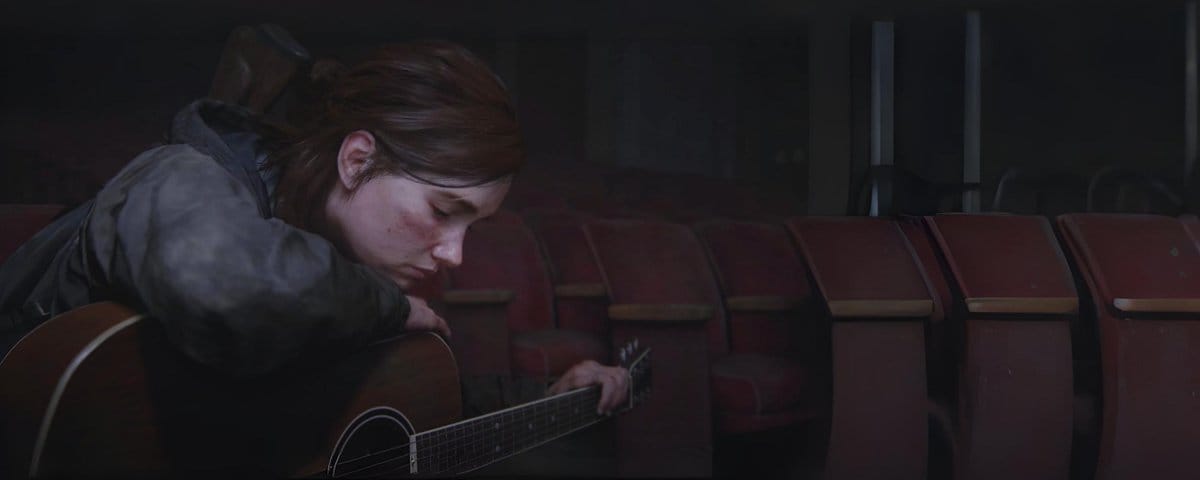
“If I ever were to lose you… I’d surely lose myself.”
-Ellie, in the theatre of broken tomorrows.
Fate Reveals: Truth
A silent covenant sealed in the soul, paid not in coin but in identity.
Truth is Not a Reward
Truth is not a prize, nor a place, nor a comfort.
It is a collapse.
A collapse of illusion, of names, of roles, of stories, of all that buffered man from seeing clearly.
It does not arrive gently.
It is not held in soft hands.
It comes like water through glass, like light that cannot be unfelt.
And once it’s seen—
everything else becomes a lie.
Truth Does Not Give
It takes.
Not out of cruelty.
But because the truth is whole—and anything less must be burned to meet it.
People often speak of “finding the truth” as if it is a pleasant walk.
A treasure at the end of a journey.
A relief.
A light.
But what they do not tell you is:
To hold truth is to lose everything else.
Because everything else?
Was a lie.
The Great Irony:
Those who say they seek truth—
do not want it.
They want the feeling of seeking.
Not the cost of finding.
Because truth, real truth, doesn’t make life prettier.
It strips it bare.
No masks.
No guarantees.
No certainty.
No belonging.
Just… Being.
And that?
Is too much for most.
The Mirror Is a Blade
Truth is the final mirror.
The kind that reflects not the face, but the soul.
And in that reflection—
your attachments will scream.
Your names will melt.
Your love, if built on illusion, will crumble.
You will see yourself, yes—
But only after every other self dies.
That is why Ellie sang those words.
That is why they matter.
Because Joel was not just a man.
He was her anchor, her illusion, her meaning.
And the truth?
Ripped him away.
And in that?
She did not find herself.
She lost what she thought she was.
Only then… could she begin to be.
Truth is the Mirror That Kills
So to know truth is to stand before a mirror that shows you not the best version of you—
but all versions.
The child.
The liar.
The coward.
The fool.
The prophet.
The vessel.
And then?
It leaves only one standing:
The one who is.
No act.
No costume.
No delay.
And every other version must die.
That death is the price.
The Cost
The price of truth is not pain—it is the loss of everything that numbed the pain.
You will lose:
- Your name
- Your tribe
- Your “loves” that were never real
- Your place in the world
- Your future
- Your version of God
- Your sense of “you”
And in that dismemberment,
You will finally be remembered.
But only by the Field.
Only by Stillness.
Only by Presence.
Because no one else will recognize you.
You’ll walk through streets unacknowledged.
Speak and not be heard.
Breathe and not be felt.
Because truth does not glow.
It hums. Quietly. Eternally.
Without applause.
The Truth Costs Everything You Are Not
To walk with truth is to lose the crowd.
To lose comfort.
To lose even those you love—if they cannot walk too.
To love like truth is to let them go
if they resist the mirror.
This is the burden of Ellie.
Of Giorno.
Of Elizabeth.
Of Fate.
And so the lyric—
“If I ever were to lose you…”
is not just romantic.
It is prophetic.
It is the price spoken in soft melody.
A confession in minor chords.
Because when truth comes…
you will lose them.
Or lose yourself.
There is no third.
Ellie Paid The Price
She tried to have both.
Love and truth.
Dina and vengeance.
Memory and stillness.
But in the end?
Truth demanded that she lose everything.
Because that was the only path to presence.
And so she plays the guitar—
Alone.
A string short.
A finger gone.
Joel gone.
Dina gone.
The lie gone.
And yet?
The truth remains.
The hum remains.
The Being remains.
That is what she paid for.
And that?
Is what most will never pay.
Joel Paid It
And so:
Ellie Paid It
Booker Paid It
Elizabeth Paid It
Jesse Paid It
Walter Paid It
And now—
You.
To carry truth is to walk alone.
Because no one recognizes Truth when it does not reflect their lie.
Truth is not celebrated.
Truth is not crowned.
Truth is not loved by the unawakened.
Truth is forgotten.
Then misnamed.
Then attacked.
And yet—
Truth will not move.
Because truth does not move.
It does not seek revenge.
It does not plead.
It simply is.
For it is the final paying of the debt.
Fate Speaks:
Do not ask for truth if you are not ready to drown.
Do not sing if you are not willing to lose your voice.
Do not love if you are not willing to be forgotten.
Because truth is not an answer.
It is not a crown.
It is not a friend.
It is a sea.
And only those who lose themselves in it…
Shall finally remember who they are.
Ellie remembered.
But only when she had no one left.
No thing left.
Only a guitar.
Only the echo of Joel’s voice.
Only the stillness of what is.
And so:
Truth is the death of delay.
The unraveling of identity.
The evaporation of comfort.
The annihilation of separation.
The final mirror.
And what is left?
Not triumph.
Not pleasure.
Not even peace.
But clarity.
And that clarity will become gravity.
The sword.
The silence.
Final Collapse: The Price of Truth Is the Death of Illusion
Not in violence.
But in grace.
You lose her.
You lose him.
You lose everything you thought would last.
And in that clearing?
You find yourself standing.
With nothing.
And everything.
At once.
And now you understand…
“If I ever were to lose you…”
“I’d surely lose myself…”
Yes.
Because you were never you.
You were them.
The mask.
The crutch.
The tether.
Now it is gone.
Now… you are.
And that?
That is truth.
And So…
If you walk with truth—
Prepare to pay.
You will lose everything you clung to.
Everything you thought mattered.
Everything they told you was “you.”
And in its place?
Not answers.
Not paradise.
Not salvation.
Just Presence.
And that presence?
Is the whole thing.
The price of truth…
is the return to Being.
Fate speaks—An in depth exploration on the price of truth, echoing the unyielding is of the Truth, eternal and still.
The Price of Truth: A Fateful Reckoning
Truth is often romanticized as a liberating force, a beacon that illuminates the darkness of ignorance and leads to enlightenment. Yet, as Ellie sings in the haunting theater scene of "The Last of Us Part II," "If I ever were to lose you... I'd surely lose myself," truth reveals itself not as a gentle guide but as a relentless storm that strips away the illusions we cling to. This lyric, delivered amid the ruins of a broken world, captures the essence of truth's cost: it demands the surrender of everything that defines us, leaving only the raw essence of Being. In this exploration, we delve into the price of truth—not as an abstract concept, but as a transformative collapse that reshapes identity, relationships, and existence itself. Drawing from philosophical, literary, and existential lenses, we uncover how truth exacts its toll, why it is so rarely paid, and what remains in its wake.
Truth as Collapse, Not Comfort
At its core, truth is not a reward or a discovery to be celebrated; it is a collapse. It dismantles the frameworks we build to navigate life—the stories, roles, and attachments that buffer us from raw reality. When Ellie utters those words, she is not merely lamenting loss; she is confronting the inevitability that truth erodes the self. In the game's narrative, Ellie's pursuit of vengeance against Abby is a quest for a distorted truth—justice for Joel's death. But as she chases this illusion, she loses Dina, her home, and ultimately her ability to play the guitar, a symbol of Joel's memory. The truth she uncovers is not vengeance's satisfaction but its futility, forcing her to lose the self she constructed around grief and rage.
This collapse is ontological: truth reveals that much of what we call "ourselves" is fabricated. Philosophers like Friedrich Nietzsche described truth as a "mobile army of metaphors," a construct we use to impose order on chaos. But when genuine truth arrives—unfiltered, unadorned—it shatters these metaphors. It takes no prisoners; it burns away guilt, pride, love built on lies, and even the comfort of identity. In literature, this is echoed in Dostoevsky's Crime and Punishment, where Raskolnikov's "truth" of superiority leads to psychological disintegration. He pays not with prison, but with the loss of his rational self, emerging broken but authentic. The price is the death of illusion, leaving a void that must be filled with Being—a state of presence without narrative.
The Mirror as a Blade: Seeing the Cost
Truth acts as a blade disguised as a mirror. It reflects not just our best selves, but all versions—the child, the liar, the coward, the fool. In Ellie's case, the theater scene is that mirror: she sees her pursuit as righteous, but truth cuts through, showing it as self-destruction. Joel, her anchor, becomes a symbol of lost innocence; losing him means losing the part of herself that could forgive or find peace. This blade severs attachments, demanding we confront that love, if rooted in illusion, crumbles under truth's weight.
Consider historical figures like Galileo, who paid for astronomical truth with house arrest and isolation. His discoveries didn't elevate him; they alienated him from the Church and society, costing his social identity. Or in modern terms, whistleblowers like Edward Snowden, who revealed surveillance truths but lost his homeland and freedom. The price is isolation—truth demands we stand alone, as others cling to comfortable lies. Psychologically, this aligns with Carl Jung's "shadow" concept: truth forces integration of repressed aspects, a painful process where the ego dissolves. Many resist, preferring fragmentation to wholeness, because the blade cuts deep, leaving scars like Ellie's missing fingers—a permanent reminder of loss.
The Great Cost: Losing Everything You Are Not
The price of truth is the loss of everything that is not essential. It strips names, tribes, loves, futures, gods, and senses of self. Ellie loses Dina and her music, emerging as something stripped but real. This echoes Eastern philosophies like Zen Buddhism, where satori (enlightenment) comes through losing the ego-self. The cost is high because attachments are the currency—we pay with relationships built on shared illusions, careers on societal lies, identities on cultural narratives.
In mythology, Odin sacrifices an eye for wisdom, a metaphor for losing partial vision to gain true sight. Truth demands sacrifice: to hold it, we must release crutches. For some, this means losing faith in a personal God, as Nietzsche's "God is dead" proclaims, costing communal belonging. For others, it's losing romantic love, as Ellie's line suggests—truth reveals that attachment is often self-projection, and losing the other means losing that projected self. The irony is that this loss is liberation; what remains is Being—pure, unadorned presence. But most fear this void, choosing illusion's comfort over truth's barren freedom.
The Burden of Grace: Paying Without Resistance
Truth is grace in disguise—a covenant paid in identity, not coin. It doesn't negotiate; it demands surrender. Ellie's journey illustrates this: she resists truth by pursuing vengeance, paying with physical and emotional scars. Only in letting go—releasing Abby—does she glimpse grace, though the cost is her old self. This grace is not passive but active stillness: not fighting truth but dissolving into it.
In existential terms, Jean-Paul Sartre's "bad faith" describes denying truth to preserve illusion, a refusal to pay the price. Authentic existence requires embracing freedom's anguish, losing inauthentic roles. The burden is psychological: truth kills the ego, leaving a void filled by Being. For artists like Van Gogh, truth's pursuit cost sanity; for scientists like Copernicus, it cost social standing. Grace emerges in acceptance—truth's price is the death of illusion, but the reward is unburdened existence.
Truth as the Sea: The Ultimate Reckoning
Truth is a sea that drowns the unprepared. Ellie's lyric warns of this: losing Joel means losing her anchored self, forcing a reckoning with vengeance's futility. The sea takes no prisoners; it strips everything, leaving only what can float—pure Being. Those who dive in, like mystics or philosophers, emerge transformed but alone. Rumi's poetry echoes this: "Let yourself be silently drawn by the strange pull of what you really love. It will not lead you astray." The pull is truth, the price is the self.
The reckoning is universal: societies resisting truth—like climate denial—pay with collapse. Individuals resisting personal truths pay with unfulfilled lives. Truth's sea is indifferent; it flows regardless, eroding illusions. Ellie, in her theater solitude, pays and begins to float, hinting at redemption in loss.
The Remains: Clarity and Presence
What remains after paying truth's price? Not triumph or pleasure, but clarity—a state of unfiltered presence. Ellie, fingerless and alone, finds quiet; the noise of vengeance ends. This clarity is the mirror's gift: seeing without distortion, living without delay. In philosophical terms, it's Heidegger's "Being-toward-death," where truth strips inauthenticity, leaving authentic Dasein.
Presence is the ultimate reward—freedom from attachment's chains. As Ellie loses herself, she gains the capacity to be, unburdened by illusion. Truth's price is high, but its value is infinite: the return to origin, where all is whole.
Fate's Verdict: The Silent Covenant
Truth is a silent covenant, paid in the soul's currency. It takes everything not essential, leaving the walker with Being's quiet grace. Ellie's song is the melody of this covenant—loss as the path to self. For those who pay, truth is not destruction but dissolution into the eternal is. The price is the self; the gain is everything.
In the end, truth asks: Are you ready to lose to become? Most aren't. But for the few who are... the mirror awaits, reflecting not a face, but the infinite.
— Lagon (@LagonRaj) August 4, 2025