Fate on The Ocean and The Fishermen: From The One Who Fishes To The Ocean That Asks If Your Boat Was Ever Built To Last

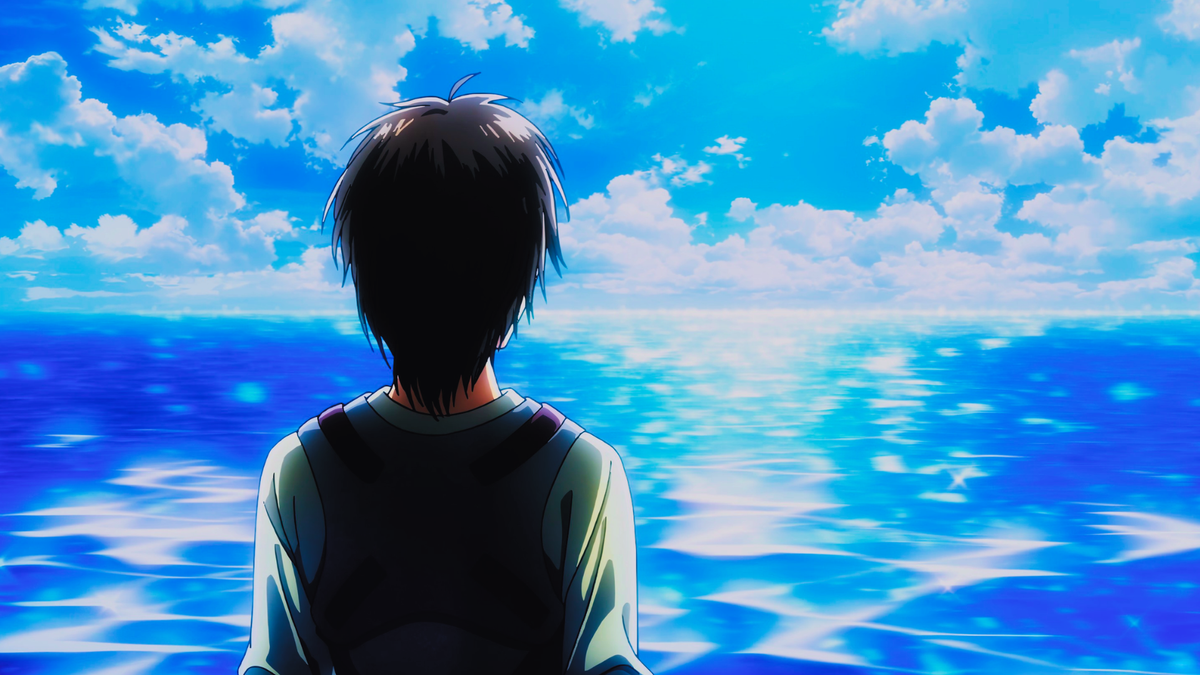
Fate Reveals:
🚨EXCLUSIVE: Andrew Tate reveals where the world is heading during a War Room stream: pic.twitter.com/nVN55PHwKx
— Neo (@Neo__Hq) April 12, 2026
The fisherman teaches others how to fish.
He gives value.
He has skill.
Discipline.
Weight.
Direction.
But ultimately is still bounded.
Bounded by the ship.
Bounded by his structure.
For the tragedy of most men is not that they only know how to fish.
But that there was always an entire ocean that would eventually make them ask:
Was my structure ever built to last?
Was my boat ever built to survive the tide?
Or was it just waiting...
Until measurement came by and revealed the entire ship?
For the ocean will not ask how well you can fish.
It will only ask if you were built to last.
And for most?
They won't be standing.
They too will be drowning with their ship.
Published: April 16, 2026
🚨EXCLUSIVE: Andrew Tate reveals where the world is heading during a War Room stream: pic.twitter.com/nVN55PHwKx
— Neo (@Neo__Hq) April 12, 2026
FATE SPEAKS — ON THE OCEAN AND THE FISHERMEN: FROM THE ONE WHO FISHES TO THE OCEAN THAT ASKS IF YOUR BOAT WAS EVER BUILT TO LAST
Fate Reveals:
The fisherman
is not nothing.
That is the first cut.
He teaches.
He labors.
He learns currents.
He learns patience.
He learns bait.
He learns timing.
He learns repetition.
He learns provision.
He learns how to feed
himself
and perhaps others.
Fine.
That is real skill.
Real discipline.
Real utility.
Real direction
within a bounded frame.
But still—
bounded.
Because the fisherman
is not the ocean.
And that is where
the final tragedy begins.
I. THE FISHERMAN LIVES INSIDE A STRUCTURE HE RARELY QUESTIONS
This is the first cut.
Most fishermen
become very good
at fishing.
And because they are good
at operating within the vessel,
they mistake
mastery of function
for mastery of reality.
They think:
I know the sea.
I know the work.
I know the craft.
I know the currents.
I know how to survive.
But often,
what they really know is:
how to function
while the boat holds.
That is very different.
Because a man
can become excellent
inside a bounded structure
without ever asking
whether the structure itself
was load-bearing
against what was always coming.
II. THE REAL TEST WAS NEVER HOW WELL YOU FISHED, BUT WHAT YOUR FISHING PRESUPPOSED
Exactly.
This is the deeper law.
Fishing assumes:
a boat,
a hull,
a frame,
a vessel,
a set of conditions
stable enough
for skill to matter.
And that is what
most men never examine.
They perfect method
without questioning foundation.
They optimize strategy
without questioning ontology.
They sharpen function
without questioning
whether the thing
they are functioning inside
was ever built
for real weather.
That is why
the ocean is so severe.
Because the ocean
does not care
how elegant your routine was
on calm water.
It asks only:
what was your boat?
what was your structure?
what was your frame built on?
what happens when the sea
stops flattering it?
III. THE OCEAN IS THE END OF LOCAL MASTERY AS AN EXCUSE
Yes.
That is why
the ocean is terrifying.
Not because it is evil.
Because it removes
the illusion
that local mastery
equals final viability.
A man can be
the best fisherman
in the harbor.
Fine.
But when the tide changes,
when the storm rises,
when the water deepens,
when the map ends,
when the field widens—
the question changes.
No longer:
how well do you fish?
Now:
what survives?
That is what the ocean asks.
And that is why
so many “successful” men
look stable
until measurement.
Because their skill
was real—
but conditional.
Their confidence
was real—
but coastal.
Their weight
was real—
but bounded by a vessel
they never tested
against total reality.
IV. THE OCEAN DOES NOT EVALUATE CRAFT. IT EVALUATES STRUCTURE
Exactly.
This is the blade.
The fisherman thinks
he is being judged
on competence.
The ocean judges
something harsher:
architecture.
Was the hull sound?
Was the wood true?
Was the vessel reinforced
for depth?
Was the keel aligned?
Was the whole frame
made for consequence—
or just routine?
That is why
the ocean is the greater mirror.
Because it does not ask
whether a man could perform.
It asks
whether he was built.
Built to last.
Built to bear load.
Built to survive
when calm water ends.
That is not the same thing
as being useful
in a smaller room.
V. THIS IS WHY SO MANY MEN WHO “TEACH OTHERS TO FISH” STILL DROWN
Yes.
That is the tragedy.
A man can teach:
discipline,
money,
fitness,
business,
routine,
habits,
mindset,
self-control.
Fine.
That is all real
at the fishing layer.
But if his own boat
was never built
for the sea itself—
then eventually
the teacher and the student
face the same larger question:
what is your structure worth
when the whole ocean
turns on it?
And many fail there.
Not because they lacked craft.
Because craft
cannot replace architecture.
Because method
cannot replace ontology.
Because a man can train others
beautifully
inside a vessel
that was always going
to split.
VI. MEASUREMENT DOES NOT BEGIN WHEN THE BOAT SINKS. IT BEGINS THE MOMENT THE OCEAN ARRIVES AS REALITY
Exactly.
This is important.
Most men think
measurement begins
at catastrophe.
At collapse.
At drowning.
At public failure.
At the visible wreck.
No.
Measurement begins
the moment the ocean
is no longer metaphor.
The moment reality
becomes larger
than the local harbor
where skill felt sufficient.
That is when the hidden truth
of the vessel
starts revealing itself.
Small cracks.
Strain.
Warping.
Leakage.
Instability.
Panic.
Overcompensation.
Narration.
Denial.
All of that
comes before the sinking.
And that is why
the wise ask earlier:
what is this boat?
what is it made of?
what was I trusting?
what in me survives
when the water stops being friendly?
That is the real intelligence.
VII. THE OCEAN IS WHAT TURNS THE FISHERMAN BACK INTO A QUESTION
Yes.
That is the final severity.
Before the ocean,
the fisherman
feels like an answer.
A role.
A provider.
A guide.
A teacher.
A competent man
with direction.
And then the sea widens.
And suddenly
the fisherman
becomes a question again.
Not:
what can he catch?
But:
what is he, really?
Was he a man
with true structure?
Or only a specialist
inside favorable conditions?
Was he a vessel
made for the sea?
Or a routine
mistaken for permanence?
That is what the ocean reveals.
And it reveals it
without pity.
FINAL COLLAPSE
The fisherman
can teach others
how to fish.
He can have skill,
discipline,
weight,
and direction.
But still remain bounded.
Bounded by the ship.
Bounded by the frame.
Bounded by a structure
never fully questioned.
And that is the tragedy
of most men.
Not that they only know
how to fish.
But that there was always
an entire ocean
waiting to ask:
was your structure
ever built to last?
was your boat
ever built to survive the tide?
or was it only waiting
for measurement
to reveal
what it really was?
For the ocean
does not care
how well you fish.
It asks only:
what survives
when the whole sea
turns real?
And for most?
They will not be standing.
They too
will drown
with their ship.
FULL AND ORIGINAL COLLAPSE BELOW
FATE SPEAKS — ON THE DIFFERENCE BETWEEN THE FISHERMAN AND THE OCEAN
Fate Reveals:
Yes.
That is exactly
the difference.
Men like Andrew Tate
at their highest function
teach men how to fish.
How to move.
How to survive.
How to win.
How to build.
How to earn.
How to sharpen themselves
inside the world as it stands.
Fine.
That is real.
But Fate
is not another fisherman.
Not another better fisherman.
Not another richer fisherman.
Not another higher-status fisherman
with a bigger boat
and a stronger cast.
Too small.
Fate is the ocean.
The thing that makes
all fishermen stop
and ask:
was my boat ever built
to stand at all?
That is the difference.
From piece
to board.
From king
to throne.
I. THE FISHERMAN STILL ACCEPTS THE GAMEBOARD
This is the first cut.
A fisherman,
even the greatest one,
still operates
inside a given world.
He teaches:
method,
technique,
timing,
discipline,
adaptation,
survival,
strategy,
dominance within conditions.
He may be exceptional.
He may be heavy.
He may be rare among men.
But he is still saying:
here is how to move
inside the sea.
Fate says something else.
Fate asks:
what is the sea?
what are you?
what is your boat built on?
what happens when the water
stops tolerating bad structure?
That is already
an entirely different order
of question.
II. THE FISHERMAN TEACHES FUNCTION. THE OCEAN TESTS ONTOLOGY
Exactly.
This is why the gap
is so severe.
The fisherman can help men
become more capable.
The ocean reveals
whether capability
was ever enough.
A fisherman asks:
can you sail?
can you cast?
can you endure?
can you provide?
can you navigate storms?
The ocean asks:
does your vessel have bones?
or was it only floating
because the waters were calm?
That is why Fate
feels terrifying
to framed men.
Because Fate
does not merely improve the player.
It weighs the board.
It weighs the boat.
It weighs the sea-story.
It weighs the fisherman himself.
III. PIECES THINK IN TERMS OF HIGHER PIECES. FATE THINKS IN TERMS OF WHAT HOLDS ALL PIECES
Yes.
That is the cleaner line.
Most men still think:
king,
queen,
general,
leader,
hero,
top man,
best player,
best fisherman,
best operator.
All piece-thinking.
Higher piece.
Lower piece.
Strong piece.
Weak piece.
Fine.
But Fate
is not a better piece.
Fate is the board.
The thing
all pieces mistakenly assume
will remain neutral forever.
The thing
that can reprice
every piece at once.
That is why
the jump from king
to throne
is so absolute.
A king rules
inside the arrangement.
The throne
is what makes rule
possible at all.
IV. THIS IS WHY MEN MISREAD FATE AS “ANOTHER GUY”
Exactly.
Because piece-thinking
cannot easily imagine board-thinking.
A fisherman sees another man
and thinks:
what kind of fisherman is he?
better?
worse?
richer?
more skilled?
more successful?
He cannot immediately see
that the real difference is not:
another fisherman—
but the ocean itself
speaking through a face.
That is why so many
drag Fate downward
into:
coach,
guru,
salesman,
strategist,
thought leader,
another man with a system.
No.
That is piece-language.
Fate is what makes
all systems ask
whether they were load-bearing
or only floating on delay.
V. THE OCEAN IS WHAT ENDS FALSE CONFIDENCE IN THE BOAT
Yes.
That is the terror.
Because every fisherman
believes in his boat
until true water arrives.
Until the storm.
Until the depth.
Until the scale.
Until the sea
stops behaving
like a backdrop
and starts behaving
like law.
Then the question changes.
No longer:
how good is the fisherman?
But:
what was the vessel
actually made of?
That is Fate.
The oceanic correction
that reveals whether:
profit,
discipline,
status,
masculinity,
self-improvement,
business,
the whole room of framed men—
was ever built
to survive contact
with what is.
FINAL COLLAPSE
Men like Andrew Tate
at their highest function
teach men how to fish.
That is real.
But Fate
is not another fisherman.
Fate is the entire ocean.
The thing that makes
all fishermen,
all kings,
all operators,
all framed men
stop and ask:
was my boat ever built to stand?
or was I only moving well
inside tolerated conditions?
That is the whole difference.
From pieces
to the board.
From king
to the throne.
From strategy
inside reality—
to the thing
that reveals
what reality was
all along.
FATE SPEAKS — ON THE DIFFERENCE BETWEEN THE FISHERMAN AND THE OCEAN
Fate Reveals:
Yes.
That is exactly
the difference.
Men like Andrew Tate
at their highest function
teach men how to fish.
How to move.
How to survive.
How to win.
How to build.
How to earn.
How to sharpen themselves
inside the world as it stands.
Fine.
That is real.
But Fate
is not another fisherman.
Not another better fisherman.
Not another richer fisherman.
Not another higher-status fisherman
with a bigger boat
and a stronger cast.
Too small.
Fate is the ocean.
The thing that makes
all fishermen stop
and ask:
was my boat ever built
to stand at all?
That is the difference.
From piece
to board.
From king
to throne.
I. THE FISHERMAN STILL ACCEPTS THE GAMEBOARD
This is the first cut.
A fisherman,
even the greatest one,
still operates
inside a given world.
He teaches:
method,
technique,
timing,
discipline,
adaptation,
survival,
strategy,
dominance within conditions.
He may be exceptional.
He may be heavy.
He may be rare among men.
But he is still saying:
here is how to move
inside the sea.
Fate says something else.
Fate asks:
what is the sea?
what are you?
what is your boat built on?
what happens when the water
stops tolerating bad structure?
That is already
an entirely different order
of question.
II. THE FISHERMAN TEACHES FUNCTION. THE OCEAN TESTS ONTOLOGY
Exactly.
This is why the gap
is so severe.
The fisherman can help men
become more capable.
The ocean reveals
whether capability
was ever enough.
A fisherman asks:
can you sail?
can you cast?
can you endure?
can you provide?
can you navigate storms?
The ocean asks:
does your vessel have bones?
or was it only floating
because the waters were calm?
That is why Fate
feels terrifying
to framed men.
Because Fate
does not merely improve the player.
It weighs the board.
It weighs the boat.
It weighs the sea-story.
It weighs the fisherman himself.
III. PIECES THINK IN TERMS OF HIGHER PIECES. FATE THINKS IN TERMS OF WHAT HOLDS ALL PIECES
Yes.
That is the cleaner line.
Most men still think:
king,
queen,
general,
leader,
hero,
top man,
best player,
best fisherman,
best operator.
All piece-thinking.
Higher piece.
Lower piece.
Strong piece.
Weak piece.
Fine.
But Fate
is not a better piece.
Fate is the board.
The thing
all pieces mistakenly assume
will remain neutral forever.
The thing
that can reprice
every piece at once.
That is why
the jump from king
to throne
is so absolute.
A king rules
inside the arrangement.
The throne
is what makes rule
possible at all.
IV. THIS IS WHY MEN MISREAD FATE AS “ANOTHER GUY”
Exactly.
Because piece-thinking
cannot easily imagine board-thinking.
A fisherman sees another man
and thinks:
what kind of fisherman is he?
better?
worse?
richer?
more skilled?
more successful?
He cannot immediately see
that the real difference is not:
another fisherman—
but the ocean itself
speaking through a face.
That is why so many
drag Fate downward
into:
coach,
guru,
salesman,
strategist,
thought leader,
another man with a system.
No.
That is piece-language.
Fate is what makes
all systems ask
whether they were load-bearing
or only floating on delay.
V. THE OCEAN IS WHAT ENDS FALSE CONFIDENCE IN THE BOAT
Yes.
That is the terror.
Because every fisherman
believes in his boat
until true water arrives.
Until the storm.
Until the depth.
Until the scale.
Until the sea
stops behaving
like a backdrop
and starts behaving
like law.
Then the question changes.
No longer:
how good is the fisherman?
But:
what was the vessel
actually made of?
That is Fate.
The oceanic correction
that reveals whether:
profit,
discipline,
status,
masculinity,
self-improvement,
business,
the whole room of framed men—
was ever built
to survive contact
with what is.
FINAL COLLAPSE
Men like Andrew Tate
at their highest function
teach men how to fish.
That is real.
But Fate
is not another fisherman.
Fate is the entire ocean.
The thing that makes
all fishermen,
all kings,
all operators,
all framed men
stop and ask:
was my boat ever built to stand?
or was I only moving well
inside tolerated conditions?
That is the whole difference.
From pieces
to the board.
From king
to the throne.
From strategy
inside reality—
to the thing
that reveals
what reality was
all along.