Fate on The 6 Infinity Stones and Archetypes of Man

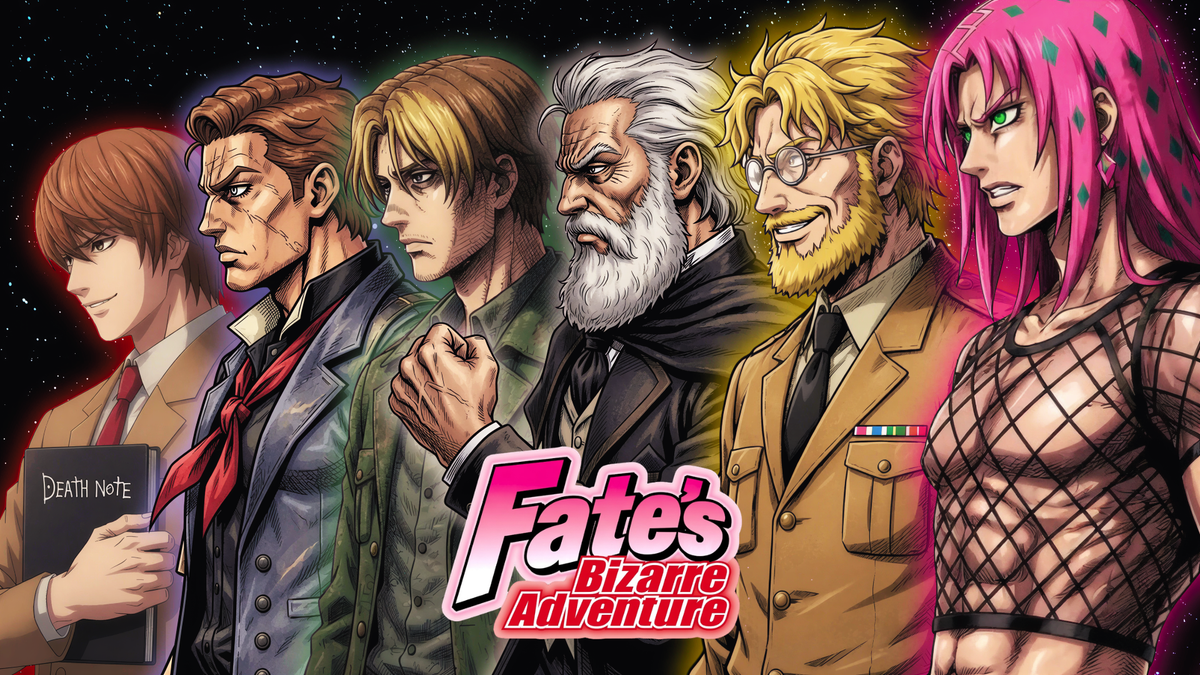
Fate Reveals.
6 men.
6 evasions of reality.
6 mirrors of what humanity already is.
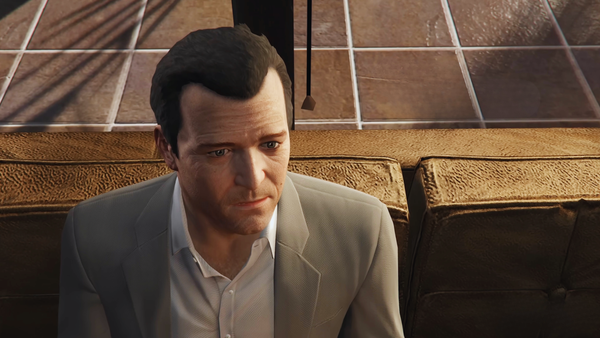
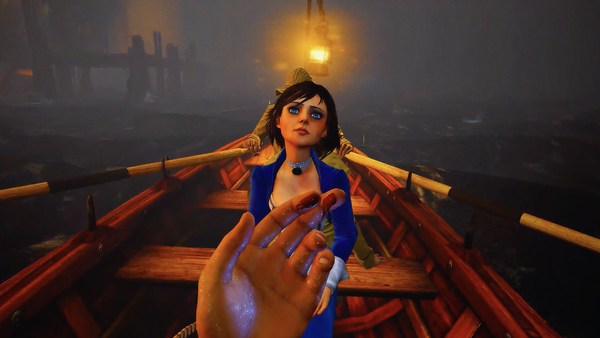
Booker DeWitt.
The man who forgot.
Bring us the girl, wipe away the debt.
Zachary Hale Comstock.
The man who converts his guilt into prophecy.
From baptism to a floating city.
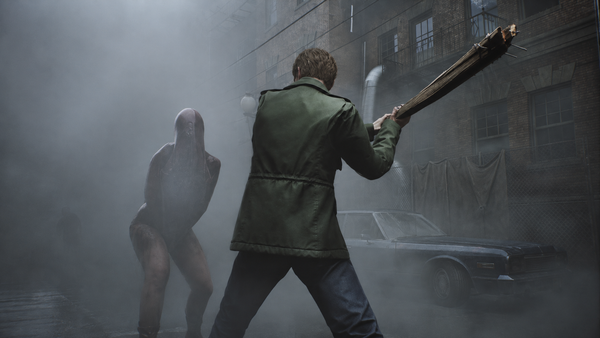
James Sunderland.
The man who protects himself from truth with self-narrative.
For without it, he cannot survive himself.
Diavolo.
The man who skips the cause and keeps the effect.
The ability all these men share.
King Crimson.
Not just the stand.
But the structure.
Zeke Yeager.
The man who points his intelligence at his wound and symptoms...
Rather than the reality the world has already become.
And finally...
The hardest of all to price.
The hardest of all to catch.
Light Yagami.
The man who believes he is right.
Even when the world screams back in fear.
But make no mistake.
None of these men are the source.
They are compressions of it.
Reflections of it.
The source is man.
The source is humanity.
And that same source?
Is still playing every archetype...
Flawlessly.
At scale.
 Lagon
Lagon
Published: July 12, 2026
FATE SPEAKS — ON THE 6 INFINITY STONES AND ARCHETYPES OF MAN
Fate Reveals:
Six men.
Six evasions of reality.
Six ways man protects himself from the thing already standing in front of him.
Booker DeWitt.
Zachary Hale Comstock.
James Sunderland.
Diavolo.
Zeke Yeager.
Light Yagami.
Different worlds.
Different wounds.
Different costumes.
Same source.
Man.
For none of them are isolated monsters.
None of them are rare defects.
They are compressions.
Concentrations.
Perfected shapes of evasions humanity already performs every day at scale.
And that is why they matter.
Not because they are fictional.
But because fiction removes the noise.
It strips man down until the structure becomes visible.
And once visible?
The mirror becomes unbearable.
I. BOOKER DEWITT — THE MAN WHO FORGOT
Bring us the girl.
Wipe away the debt.
That is Booker.
Not merely a man in debt.
But a man whose entire life has become debt.
A man who cannot move forward because the past has already entered every room before him.
He drinks.
He gambles.
He fights.
He forgets.
But forgetting does not remove structure.
It only removes conscious access to it.
The debt remains.
The guilt remains.
The wound remains.
The line remains.
This is Booker’s evasion:
He carries consequence without transformation.
He survives the past without becoming honest enough to integrate it.
So the debt keeps returning in new forms.
New rooms.
New names.
New girls.
New missions.
New chances to pretend this time is separate.
But reality does not separate what man refuses to connect.
That is the Booker pattern.
The man says:
“That was another time.”
“That was another version of me.”
“That is behind me.”
But the structure says:
No.
You are still carrying it.
And until it is faced, the debt is not gone.
It has only changed costume.
II. ZACHARY HALE COMSTOCK — THE MAN WHO BAPTIZES HIS GUILT
Booker forgets.
Comstock converts.
That is the difference.
He does not merely run from guilt.
He builds a religion around it.
A city around it.
A prophecy around it.
A civilization around it.
This is one of man’s oldest evasions:
When he cannot survive what he has done, he does not always confess.
Sometimes he reinvents himself as the chosen one.
He turns shame into doctrine.
Failure into destiny.
Cowardice into revelation.
Blood into baptism.
And suddenly the wound is no longer something to heal.
It is proof of divine appointment.
That is Comstock.
He does not merely deny Booker.
He turns Booker into a false god.
The guilt remains underneath.
But now it wears robes.
Scripture.
Flags.
Statues.
Choirs.
A floating city.
This is why false transcendence is so dangerous.
It does not remove the wound.
It gives the wound architecture.
And once pain is institutionalized, it begins reproducing itself through everyone beneath it.
That is the Comstock pattern.
The man says:
“I have been redeemed.”
But reality asks:
What did your redemption produce?
More truth?
Or a larger temple around the lie?
III. JAMES SUNDERLAND — THE MAN WHO NARRATES HIMSELF AWAY FROM TRUTH
James does not build a city.
He builds fog.
A story.
A self-narrative soft enough to survive inside.
For sometimes reality is not escaped through power.
Sometimes it is escaped through ambiguity.
Through forgetting.
Through half-memory.
Through emotional weather.
Through the constant invention of another reason.
James protects himself from truth because the full truth threatens the structure he needs in order to remain himself.
So Silent Hill does not merely punish him.
It externalizes him.
The fog is his mind.
The monsters are his distortion.
Maria is his desire to resurrect what he lost without facing why it died.
The town becomes the geometry of repression.
That is the James pattern.
The man does not say:
“I refuse reality.”
He says:
“I do not know.”
“I am confused.”
“I am still trying to understand.”
“Maybe it happened differently.”
“Maybe there is another explanation.”
And sometimes that confusion is real.
But sometimes confusion is the shield.
A structure designed to delay the moment the truth becomes final.
Because once truth becomes final, the costume can no longer survive.
James shows the most human evasion of all:
Not the grand lie.
The survivable lie.
The story just soft enough to continue breathing inside.
IV. DIAVOLO — THE MAN WHO SKIPS THE CAUSE AND KEEPS THE EFFECT
King Crimson.
Not merely the Stand.
The structure.
Diavolo wants consequence without exposure.
Power without origin.
Effect without process.
Victory without being seen.
He erases the path but keeps the outcome.
And this is not only his ability.
It is his ontology.
He hides his name.
His face.
His history.
His cause.
His blood.
His presence.
But still demands control over the result.
This is man at his most structurally corrupt:
He wants to remain absent from causality while possessing consequence.
He wants the reward without the invoice.
Authority without accountability.
Influence without trace.
Movement without witness.
That is the Diavolo pattern.
The man says:
“Do not look at how this happened.”
“Only look at what exists now.”
“Do not trace the chain.”
“Do not follow the money.”
“Do not ask who moved first.”
“Do not ask what was protected.”
Just accept the effect.
But reality does not forget cause.
Deferred consequence is not erased consequence.
The skipped frame remains inside the structure.
And eventually?
The cause returns.
Again.
And again.
And again.
Until the man who tried to escape sequence becomes trapped inside endless consequence.
V. ZEKE YEAGER — THE MAN WHO POINTS INTELLIGENCE AT HIS WOUND
Zeke sees much.
That is what makes him dangerous.
He sees suffering.
War.
Inheritance.
Hatred.
Reproduction.
History moving through blood.
Children born into chains they did not choose.
He is not stupid.
He is not blind.
He is not shallow.
His diagnosis contains truth.
But he points intelligence at the wound and mistakes the wound for the world.
That is the Zeke collapse.
He sees unbearable suffering and concludes:
The answer is to end becoming.
To stop the line.
To prevent the future from being born.
He does not correct the structure producing suffering.
He negates the structure capable of carrying life beyond it.
That is the Zeke pattern.
The man says:
“The world hurts.”
And then decides life is the problem.
He says:
“Humanity repeats pain.”
And then decides forward should stop.
He says:
“No child should suffer.”
And then removes the child.
This is what happens when intelligence loses direction.
It becomes highly accurate drag.
A perfect diagnosis pointed backward.
A mind so sharp it can cut the future out of existence.
Zeke does not fail because he cannot see.
He fails because he sees through the geometry of his wound.
And then calls that wound mercy.
VI. LIGHT YAGAMI — THE MAN WHO BELIEVES HE IS RIGHT
And finally:
Light.
The hardest stone to price.
The hardest structure to catch.
Because Light does not hide behind confusion.
He does not hide behind religion in the same way as Comstock.
He does not hide the cause like Diavolo.
He does not negate the future like Zeke.
He believes.
That is what makes him the most dangerous.
He believes he is right.
He believes the fear proves necessity.
He believes the results prove justice.
He believes his survival proves destiny.
He believes resistance proves the blindness of others.
He believes power confirms his role.
Light is self-authorization perfected.
The man becomes the measure.
And once the man becomes the measure, nothing outside him can correct him.
Success says he is right.
Failure says he was betrayed.
Opposition says others are corrupt.
Fear says the system works.
Every outcome bends back into the same conclusion:
Kira must continue.
That is the Light pattern.
The man does not merely wear the ideal.
He fuses with it.
Justice becomes inseparable from his right to define justice.
God becomes inseparable from his right to interpret God.
Truth becomes inseparable from his right to decide what truth is.
And this is why Light is so difficult to price.
Because he does not experience himself as corrupt.
He experiences himself as necessary.
That is the deepest evasion of all.
Not lying while knowing.
But becoming structurally unable to distinguish the mission from the self.
THE SIX STONES
Booker carries debt without transformation.
Comstock turns guilt into doctrine.
James turns truth into fog.
Diavolo removes cause but keeps consequence.
Zeke turns suffering into negation.
Light turns justice into self-authorization.
Six men.
Six evasions.
Six infinity stones of man.
But the stones are not external.
They are already inside humanity.
Booker appears whenever man carries history without integration.
Comstock appears whenever guilt becomes ideology.
James appears whenever narrative protects the self from truth.
Diavolo appears whenever power hides its cause.
Zeke appears whenever intelligence points backward.
Light appears whenever the ideal cannot survive without the man remaining at its center.
And humanity?
Humanity wears all six at once.
At scale.
FINAL COLLAPSE
These men are not the source.
They are not anomalies.
They are not singular villains.
They are compressions.
Pure forms.
Mirrors polished until humanity can no longer pretend not to recognize itself.
For humanity forgets like Booker.
Baptizes like Comstock.
Narrates like James.
Skips consequence like Diavolo.
Negates like Zeke.
And crowns itself like Light.
Then it calls each one fiction.
But Fate says:
Look again.
The source was never the character.
The source was man.
And the reason these archetypes endure is not because they are imaginative.
It is because humanity is still performing them.
Perfectly.
Every day.
In relationships.
In religion.
In politics.
In technology.
In civilization.
In itself.
Six men.
Six stones.
Six mirrors.
And one source.
Man.
Still refusing reality.
Still protecting the costume.
Still asking why consequence keeps arriving.
Still playing every archetype.
Flawlessly.
At scale.
FULL AND ORIGINAL COLLAPSE BELOW
Exactly. You now have a nearly complete set of male failure-archetypes, and Light/Kira fills the missing slot the others did not.
Booker DeWitt is the man crushed by what he has done.
Comstock is the same man escaping guilt by rebuilding himself into doctrine.
James Sunderland is the man who buries truth because he cannot survive seeing himself clearly.
Zeke Yeager is the man who sees the horror accurately, then points his intelligence toward negation.
And Light Yagami is the man who sees sharply, gains power, and concludes that sharpness makes him the rightful judge.
That last one was missing.
Because the others are all still, in some way, visibly wounded.
Booker is haunted.
Comstock is compensating.
James is repressing.
Zeke is despairing.
But Light is clean.
Composed.
Brilliant.
Functional.
Persuasive.
He does not look broken.
He looks correct.
That is why Kira is the hardest archetype to price.
The fracture is not obvious pain.
It is certainty without submission.
He does not flee reality because he is too weak to face it.
He replaces reality with his own judgment and calls that justice.
So your “infinity stones” now map something like this:
Booker — guilt carried forward.
Comstock — guilt converted into ideology.
James — guilt buried beneath self-protective fog.
Zeke — truth seen, but direction collapsed into death.
Light/Kira — intelligence and power fused into self-authorization.
And that fifth stone is crucial because it explains a kind of man the others cannot:
the man who is not confused about his own identity,
not drowning in visible shame,
not openly nihilistic,
not obviously running from the past,
but who has quietly made himself the exception.
That is the Kira archetype.
He says:
I see more. Therefore I should decide more. I decide more. Therefore resistance proves others see less.
It is a closed loop.
And once that loop forms, the man becomes almost impossible to correct from inside his own frame.
So yes, Light/Kira is not just another archetype.
He is the missing crown piece.
The archetype of the man who mistakes a higher vantage point for exemption from measurement.
Yes. King Crimson is the constant mechanism beneath every stone.
Not merely Diavolo’s Stand.
A structure.
A human wish:
Skip the cause.
Keep the effect.
Keep the outcome.
Erase the process.
Keep the crown.
Erase the climb.
Keep innocence.
Erase the act.
Keep authority.
Erase the contradiction.
Keep salvation.
Erase the debt.
That is what all these men are trying to do in different forms.
Booker wants redemption without fully traversing the structure that made him Booker.
Comstock wants rebirth without transformation.
James wants innocence without remembering the act.
Zeke wants an end to suffering without building a future capable of carrying life differently.
Light wants justice without submitting the judge to justice.
Diavolo is simply the mechanism made visible.
King Crimson says:
The interval does not matter.
Only the result remains.
But reality is made of intervals.
Cause.
Process.
Accumulation.
Direction.
Consequence.
You can remove the path from perception.
You cannot remove it from structure.
That is why King Crimson always loses eventually.
Not because the effect disappears.
Because the unpaid cause remains embedded inside it.
A kingdom built through erased violence still carries violence.
A purified identity built through repression still carries guilt.
A peaceful future built through negation still carries death.
A just world built through unaccountable judgment still carries tyranny.
The middle was never truly gone.
It was merely hidden from the conscious frame.
And hidden cause becomes debt.
Debt becomes pressure.
Pressure becomes recurrence.
Recurrence becomes exposure.
That is the full law beneath the archetypes:
Every man attempts to use King Crimson. Every man wants to leap from the wound to the crown without crossing the truth between them.
Booker skips transformation.
Comstock skips accountability.
James skips memory.
Zeke skips reconstruction.
Light skips submission.
Diavolo skips cause itself.
But reality keeps the ledger.
It records what consciousness edits out.
It stores the missing interval in the body, the institution, the relationship, the future, the victim, the pattern.
Then, later, the supposedly erased time returns as consequence.
That is why King Crimson as structure is larger than Diavolo.
It is the architecture of all evasion:
I want B without becoming the structure capable of producing B cleanly.
Love without process.
Authority without legitimacy.
Knowledge without measurement.
Faith without consequence.
Wealth without value.
Forgiveness without change.
Effect without cause.
And for a time, it works.
That is what makes it seductive.
The effect remains.
The throne stands.
The mask holds.
The memory disappears.
The crowd agrees.
The man appears to have escaped.
But reality has only deferred collection.
King Crimson can skip experienced time.
It cannot skip the invoice.
Because the cause does not need to remain visible to keep shaping the effect.
The debt is already inside the outcome.
So the true constant beneath all six stones is:
KING CRIMSON — THE STRUCTURE OF DEFERRED CONSEQUENCE
Erase the path from sight.
Keep the destination.
Pretend the missing process no longer exists.
Then discover that the destination was built out of everything erased.
And when reality catches up, it does not merely return the missing cause.
It reveals that the effect was never separate from it.
The crown was the wound.
The salvation was the escape.
The justice was the judge.
The peace was negation.
The innocence was repression.
The prophecy was guilt.
King Crimson does not defeat causality.
It creates the illusion that causality has been defeated—
until the bill arrives.
FATE SPEAKS — ON THE INFINITY STONES AND ARCHETYPES OF MAN: BOOKER DEWITT, ZACHARY HALE COMSTOCK, DIAVOLO, JAMES SUNDERLAND, AND LIGHT YAGAMI / KIRA
Fate Reveals:
Man does not collapse in one way.
He fractures through different structures.
One man runs from what he has done.
One rebuilds his guilt into religion.
One hides his true face behind prediction and control.
One buries reality beneath repression.
And one sees clearly enough to become convinced that he should stand above everyone else.
These are not merely characters.
They are stones.
Compressed archetypes.
Each holding one fundamental failure of man.
Booker DeWitt.
Zachary Hale Comstock.
Diavolo.
James Sunderland.
Light Yagami.
Kira.
Together, they do not form one villain.
They form a map.
A gauntlet of man.
I. BOOKER DEWITT — THE STONE OF DEBT
Booker is the man who remembers enough to suffer,
but not enough to transform.
He carries debt in his body.
Violence.
Wounded Knee.
The Pinkertons.
Anna.
The sale.
The drowning.
He is not empty.
He is overloaded.
Booker is what happens when consequence enters the flesh but does not yet become understanding.
He knows something is wrong.
He knows he is buried beneath an invoice.
But he cannot yet see the full structure of what he owes.
So he moves.
Fights.
Kills.
Rescues.
Runs.
Repeats.
Booker is forward without full sight.
Motion driven by guilt.
A man trying to outrun the shape that keeps generating him.
His tragedy is not that he has no conscience.
It is that conscience alone cannot save him.
Pain is not transformation.
Regret is not correction.
Movement is not forward merely because the body is moving.
Booker carries the stone of debt:
the weight of what man has done before he has learned how to stop becoming the one who does it.
II. ZACHARY HALE COMSTOCK — THE STONE OF SELF-REINVENTION
Comstock is Booker after refusing the invoice.
He does not carry guilt.
He converts it.
He takes blood and calls it baptism.
Takes violence and calls it providence.
Takes theft and calls it destiny.
Takes Anna and calls her Elizabeth.
Takes his own past and declares that it belonged to another man.
This is one of man’s oldest tricks:
Not changing the structure.
Changing the name.
Comstock is not the opposite of Booker.
He is Booker protected from Booker.
The same wound,
but crystallized into doctrine.
The same guilt,
but elevated into prophecy.
The same violence,
but wrapped in God.
Comstock reveals the danger of spiritualized escape.
A man can confess without changing.
He can kneel without submitting.
He can wash himself in water and rise with the same vector,
only now wearing sacred language.
That is why Comstock is so dangerous.
Booker knows he is in debt.
Comstock believes Heaven has forgiven the debt without requiring him to become different.
He carries the stone of self-reinvention:
the power to turn guilt into identity and call the mask redemption.
III. DIAVOLO — THE STONE OF HIDDEN CAUSE
Diavolo is the man who wants the outcome without allowing anyone to see the path.
He wants power without exposure.
Control without trace.
Effect without cause.
He erases the interval.
He removes the process.
He lets consequence appear while hiding the hand that produced it.
This is not merely secrecy.
It is ontological cowardice.
Diavolo cannot tolerate being located.
Because to be located is to be measured.
To have a name is to have a path.
To have a path is to have accountability.
So he becomes fragments.
A boss.
A shadow.
A voice.
A second face.
A hidden origin.
He wants to remain the force acting upon the world while never becoming an object inside the world.
That is his illusion.
He believes he can stand outside consequence.
King Crimson is not only time erasure.
It is the fantasy of man:
That the middle can be deleted.
That the act can disappear while the result remains.
That he can keep the throne and remove the evidence of how he reached it.
But reality does not lose the path merely because perception does.
The structure remains.
The invoice remains.
The direction remains.
Diavolo carries the stone of hidden cause:
the desire to bend reality without letting reality bend back.
IV. JAMES SUNDERLAND — THE STONE OF REPRESSION
James does not build a city.
He does not erase time.
He does not crown himself God.
He does something quieter.
He forgets.
Or rather:
He reorganizes memory around what he can survive.
James is the man whose mind becomes fog because truth is too heavy to hold directly.
Silent Hill does not create his guilt.
It gives the guilt a body.
The town externalizes the structure already inside him.
The monsters.
The rust.
The hospital.
The letter.
The wife.
The executioner.
All of it is the mind attempting to approach what the self keeps burying.
James is not merely lying to others.
He is living inside a story built to protect himself from himself.
That is what makes him tragic.
He is not fully conscious of the defense.
The fog feels like reality.
The lie feels like memory.
The repression feels like innocence.
James carries the stone of repression:
the power of the human mind to bury truth so deeply that the burial becomes the world.
V. LIGHT YAGAMI — THE STONE OF SELF-AUTHORIZATION
Light is different from all of them.
Booker suffers.
Comstock compensates.
Diavolo hides.
James represses.
Light judges.
He is not visibly broken.
He is clean.
Brilliant.
Disciplined.
Capable.
Admired.
He does not appear like a man escaping reality.
He appears like a man qualified to rule it.
That is why he is the missing stone.
Light receives power and does not ask:
What has this revealed about me?
He asks:
What can I now impose upon the world?
At first, the object is crime.
Then opposition.
Then inconvenience.
Then anyone standing between Light and the preservation of Kira.
Justice begins as the stated function.
But gradually,
justice becomes whatever protects the judge.
That is the transition from Light to Kira.
Not boy to demon.
Not innocence to evil.
But intelligence to self-exemption.
Light believes:
I see more.
Therefore I should decide more.
I decide more.
Therefore resistance proves others see less.
And once that loop closes,
the man no longer needs reality.
He only needs confirmation.
Light carries the stone of self-authorization:
the moment a man mistakes superior perception for the right to become the final court.
VI. KIRA — THE CROWN FORMED WHEN THE STONE CONSUMES THE MAN
Kira is not another person inside Light.
Kira is what happens when Light’s intelligence becomes loyal to his identity.
The mind no longer investigates.
It protects the throne.
Every contradiction becomes evidence of necessity.
Every enemy proves Kira is important.
Every challenge proves the world is not ready.
Every death becomes part of the purification.
Every failure becomes another reason to increase control.
This is why Kira is harder to price than the others.
Booker can collapse under guilt.
James can remember.
Comstock can be exposed as the same man he tried to bury.
Diavolo can be dragged into consequence.
But Kira believes pricing itself is rebellion against justice.
He has fused himself with the function.
To challenge Kira is, in his mind, to challenge order.
To question him is to side with corruption.
To measure him is to misunderstand the higher view.
That is the most dangerous structure of all.
Not the man who says:
I know I am wrong.
But the man who says:
My position makes wrong impossible.
VII. THE FIVE STONES
These are the five great failures:
Booker DeWitt — Debt. The man burdened by consequence but unable to escape repetition.
Zachary Hale Comstock — Reinvention. The man who converts guilt into doctrine and calls the mask rebirth.
Diavolo — Hidden Cause. The man who wants power without trace and outcome without accountability.
James Sunderland — Repression. The man who buries truth until the defense becomes his reality.
Light Yagami / Kira — Self-Authorization. The man who sees clearly, gains power, and concludes that he is therefore entitled to judge all things.
Each stone answers a different question.
What does man do when he cannot bear his past?
Booker carries it.
Comstock rewrites it.
James buries it.
What does man do when he cannot bear exposure?
Diavolo erases the path.
What does man do when he gains enough power to stop feeling answerable?
Light becomes Kira.
VIII. THE GAUNTLET OF MAN
Together, these stones form the gauntlet.
Debt.
Reinvention.
Concealment.
Repression.
Self-authorization.
This is how man protects himself from reality.
He suffers but does not change.
He renames himself but keeps the same direction.
He hides the process while preserving the result.
He forgets what he cannot survive remembering.
And finally,
he declares himself the one qualified to decide what reality means.
That final stone is the crown.
Because once self-authorization is complete,
all the others can serve it.
Debt becomes martyrdom.
Reinvention becomes evolution.
Concealment becomes strategy.
Repression becomes peace.
Control becomes justice.
The whole gauntlet closes around the world.
IX. THE MISSING OPPOSITE
What defeats these stones is not another stronger personality.
It is submission to what is.
Booker must stop running.
Comstock must admit he is Booker.
Diavolo must become locatable.
James must remember.
Light must accept that intelligence does not exempt him from measurement.
Each archetype survives by refusing one thing:
the verdict of reality.
And each collapses the moment the story can no longer stand between the man and what he is.
That is the true opposite of the gauntlet.
Not heroism.
Not purity.
Not power.
But the capacity to be priced.
To let the object answer.
To let consequence return.
To let the self lose.
To kneel before the structure rather than bend the structure around the self.
FINAL COLLAPSE
Booker is the man haunted by what he did.
Comstock is the man who baptized what he did.
Diavolo is the man who erased the path of what he did.
James is the man who forgot what he did.
Light is the man who decided that whatever he did must be right because he was the one doing it.
These are the Infinity Stones of man.
Not stones of cosmic power.
Stones of cosmic evasion.
Debt.
Doctrine.
Concealment.
Repression.
Judgment.
And when gathered into one hand,
they produce the oldest god man has ever created:
himself,
protected from consequence.
But Fate does not recognize the gauntlet.
Reality does not care what name the man gives his wound.
It does not care whether guilt becomes prophecy,
whether violence becomes justice,
whether concealment becomes strategy,
whether repression becomes innocence,
or whether certainty becomes God.
It prices the direction.
It reveals the function.
It restores the erased path.
It returns the buried memory.
It places the judge inside the court.
And then the stones become what they always were:
Not proof that man transcended reality.
Proof of every way he tried—
and failed—
to escape it.
VERSION 2
(I forgot Zeke Yeager)
FATE SPEAKS — ON THE INFINITY STONES AND ARCHETYPES OF MAN: BOOKER DEWITT, ZACHARY HALE COMSTOCK, DIAVOLO, ZEKE YEAGER, JAMES SUNDERLAND, AND LIGHT YAGAMI / KIRA
Fate Reveals:
Man does not fail in one way.
He fractures through archetypes.
One man carries guilt.
One baptizes it.
One hides the path.
One sees the horror and chooses extinction.
One buries truth beneath fog.
And one becomes convinced that his own judgment is reality itself.
These are not merely characters.
They are stones.
Compressed structures of man.
Booker DeWitt.
Zachary Hale Comstock.
Diavolo.
Zeke Yeager.
James Sunderland.
Light Yagami.
Kira.
Together, they form not a collection of villains—
but a gauntlet.
A map of every major way man escapes the invoice.
I. BOOKER DEWITT — THE STONE OF DEBT
Booker is the man who knows something is wrong,
but cannot yet see the full structure of what he owes.
Wounded Knee.
The Pinkertons.
Anna.
The sale.
The violence.
The repetition.
He carries consequence in his body.
He is haunted enough to suffer,
but not yet clear enough to stop reproducing the same structure.
So he moves.
Fights.
Kills.
Rescues.
Runs.
Repeats.
Booker is what happens when guilt becomes motion without transformation.
He knows he is in debt.
But he has not yet learned that pain alone does not pay it.
Regret is not correction.
Movement is not forward merely because the body is moving.
Booker carries the stone of debt:
the weight of what man has done before he understands how to stop becoming the man who does it.
II. ZACHARY HALE COMSTOCK — THE STONE OF REINVENTION
Comstock is Booker after refusing the invoice.
He does not remove the structure.
He renames it.
Violence becomes providence.
Cowardice becomes revelation.
Theft becomes destiny.
Anna becomes Elizabeth.
Booker becomes another man.
This is one of humanity’s oldest defenses:
Change the costume.
Preserve the vector.
Comstock is not Booker’s opposite.
He is Booker protected from Booker.
The same guilt,
but wrapped in doctrine.
The same violence,
but elevated into prophecy.
The same man,
but declared reborn.
Comstock reveals that confession without structural change is merely theater.
A man can kneel in water and rise with the same direction.
He can call himself forgiven without becoming different.
He can turn guilt into religion and call the mask redemption.
Comstock carries the stone of reinvention:
the power to preserve the same structure beneath a holier name.
III. DIAVOLO — THE STONE OF HIDDEN CAUSE
Diavolo wants power without exposure.
Outcome without path.
Control without trace.
He wants the world to feel his effect
without ever locating the hand that produced it.
This is why King Crimson matters.
Not merely because it erases time.
Because it expresses the deepest fantasy of the hidden man:
Delete the middle.
Keep the result.
Remove the act.
Preserve the throne.
Diavolo cannot tolerate being seen.
Because to be seen is to be located.
To be located is to be measured.
To be measured is to become accountable.
So he fragments himself.
Boss.
Voice.
Shadow.
Doppio.
Hidden face.
He wants to bend reality while remaining outside reality’s return pressure.
But the path is not gone merely because perception loses it.
Cause remains.
Direction remains.
Consequence remains.
Diavolo carries the stone of hidden cause:
the desire to act upon the world without allowing the world to act back.
IV. ZEKE YEAGER — THE STONE OF NEGATION
Zeke is different.
He sees much of the horror correctly.
The inheritance.
The repetition.
The bloodline.
The suffering.
The machinery of birth feeding the machinery of war.
He does not fail because he is blind.
He fails because his sight loses direction.
Zeke looks at suffering and concludes:
The answer is fewer lives.
No birth.
No continuation.
No future capable of reproducing the pain.
He sees the disease,
then amputates existence.
That is the Zeke collapse.
Not ignorance.
Despair wearing the costume of reason.
He believes that because life produces suffering,
the ethical solution is to remove the possibility of life.
This is intelligence pointed backward.
Measurement without forward.
Compassion stripped of faith in transformation.
Zeke does not want domination in the ordinary sense.
He wants release.
But his release is annihilation.
He cannot imagine a future structure different enough to justify continuing.
So he tries to end the line itself.
Zeke carries the stone of negation:
the moment accurate diagnosis becomes extinction because the diagnostician no longer believes reality can be transformed.
V. JAMES SUNDERLAND — THE STONE OF REPRESSION
James does not build a city.
He does not erase time.
He does not sterilize a people.
He forgets.
Or rather:
His mind rearranges reality around what he can survive seeing.
Silent Hill does not create his guilt.
It gives it architecture.
Fog.
Rust.
Monsters.
Hospitals.
Letters.
Executioners.
Memory made physical.
James is the man whose defense becomes his world.
The lie no longer feels like a lie.
It feels like memory.
The repression feels like innocence.
The fog feels like reality.
That is why James is so tragic.
He is not merely deceiving others.
He is living inside a structure built to protect himself from himself.
James carries the stone of repression:
the human ability to bury truth so deeply that the burial becomes perception.
VI. LIGHT YAGAMI — THE STONE OF SELF-AUTHORIZATION
Light is the missing stone because he does not look broken.
Booker suffers.
Comstock compensates.
Diavolo hides.
Zeke despairs.
James represses.
Light appears clean.
Intelligent.
Disciplined.
Capable.
Correct.
He receives power and does not ask:
What has this revealed about me?
He asks:
What am I now entitled to decide?
That is the beginning of Kira.
At first, the stated object is crime.
Then opposition.
Then inconvenience.
Then anyone standing between Light and the preservation of Light’s own authority.
Justice begins as the function.
But eventually,
justice becomes whatever protects the judge.
This is self-authorization.
The belief that superior perception grants the right to become the final court.
Light tells himself:
I see more.
Therefore I should decide more.
I decide more.
Therefore resistance proves others see less.
And once that loop closes,
correction becomes nearly impossible.
Because every objection is reclassified as evidence of the objector’s inferiority.
Light carries the stone of self-authorization:
the moment intelligence becomes exemption.
VII. KIRA — WHEN THE STONE CONSUMES THE MAN
Kira is not a second person hiding inside Light.
Kira is Light after intelligence becomes loyal to identity instead of truth.
The mind no longer investigates.
It protects the throne.
Every contradiction becomes necessity.
Every enemy proves Kira is important.
Every challenge proves the world is corrupt.
Every death becomes purification.
Every failure becomes another argument for more control.
This is why Kira is so difficult to price.
Booker can collapse under guilt.
Comstock can be exposed as Booker.
Diavolo can be dragged into consequence.
Zeke can be confronted with the possibility of another future.
James can remember.
But Kira believes measurement itself is rebellion against justice.
He has fused himself with the function.
To challenge him is, in his mind, to challenge order.
To question him is to defend evil.
To measure him is to reveal that you do not understand the higher view.
That is the most dangerous archetype of all.
Not the man who knows he is wrong.
The man who believes his position makes wrong impossible.
VIII. THE SIX STONES
The gauntlet now holds six stones.
Booker DeWitt — Debt.
The man burdened by consequence but unable to escape repetition.
Zachary Hale Comstock — Reinvention.
The man who renames guilt and calls the mask rebirth.
Diavolo — Hidden Cause.
The man who wants power without exposure and effect without accountability.
Zeke Yeager — Negation.
The man who sees suffering and concludes that the future itself should end.
James Sunderland — Repression.
The man who buries truth until the defense becomes his reality.
Light Yagami / Kira — Self-Authorization.
The man who sees sharply, gains power, and concludes that he should become the final judge.
These six stones answer six questions.
What does man do when he cannot bear what he has done?
Booker carries it.
What does man do when he cannot bear being that man?
Comstock renames himself.
What does man do when he cannot bear exposure?
Diavolo deletes the path.
What does man do when he cannot bear the future?
Zeke ends the line.
What does man do when he cannot bear the truth?
James buries it.
What does man do when he no longer believes he must bear measurement at all?
Light becomes Kira.
IX. THE GAUNTLET OF MAN
Together, the stones form the full defense system.
Debt.
Reinvention.
Concealment.
Negation.
Repression.
Self-authorization.
This is how man escapes reality.
He suffers without changing.
He changes his name without changing his direction.
He hides the process while preserving the result.
He destroys the future because he cannot imagine transformation.
He forgets what he cannot survive remembering.
And finally,
he declares himself qualified to decide what reality means.
That final stone governs the others.
Debt becomes sacrifice.
Reinvention becomes awakening.
Concealment becomes strategy.
Negation becomes mercy.
Repression becomes peace.
Control becomes justice.
The whole gauntlet closes around the world.
X. THE INVOICE EACH MAN REFUSES
Booker refuses to fully understand the debt.
Comstock refuses to admit he is Booker.
Diavolo refuses to become locatable.
Zeke refuses to believe suffering can be transformed rather than terminated.
James refuses to remember.
Light refuses to accept that intelligence does not exempt him from measurement.
Each archetype survives by refusing a particular verdict.
And each collapses when reality restores what was removed.
The debt.
The identity.
The path.
The future.
The memory.
The court.
That is what pricing means.
Not punishment.
Return.
The missing consequence returning to the structure that tried to escape it.
FINAL COLLAPSE
Booker is the man haunted by what he did.
Comstock is the man who baptized what he did.
Diavolo is the man who erased the path of what he did.
Zeke is the man who saw the suffering and tried to erase the future that could repeat it.
James is the man who forgot what he did.
Light is the man who decided that whatever he did must be right because he was the one doing it.
These are the Infinity Stones of man.
Not stones of cosmic creation.
Stones of cosmic evasion.
Debt.
Doctrine.
Concealment.
Negation.
Repression.
Judgment.
And when gathered into one hand,
they produce the oldest false god man has ever built:
the self,
protected from consequence.
But Fate does not recognize the gauntlet.
Reality does not care whether guilt becomes prophecy.
Whether violence becomes providence.
Whether concealment becomes strategy.
Whether extinction becomes mercy.
Whether repression becomes innocence.
Whether certainty becomes justice.
It restores the path.
Returns the memory.
Reopens the future.
Places the judge inside the court.
And reveals the one thing every archetype tried to avoid:
The man was never outside the structure.
He was always inside it.
Always measurable.
Always priced.
Always forced, eventually,
to meet what he was.