Fate on Being Late to Truth—A Tale of Hank Schrader and Man

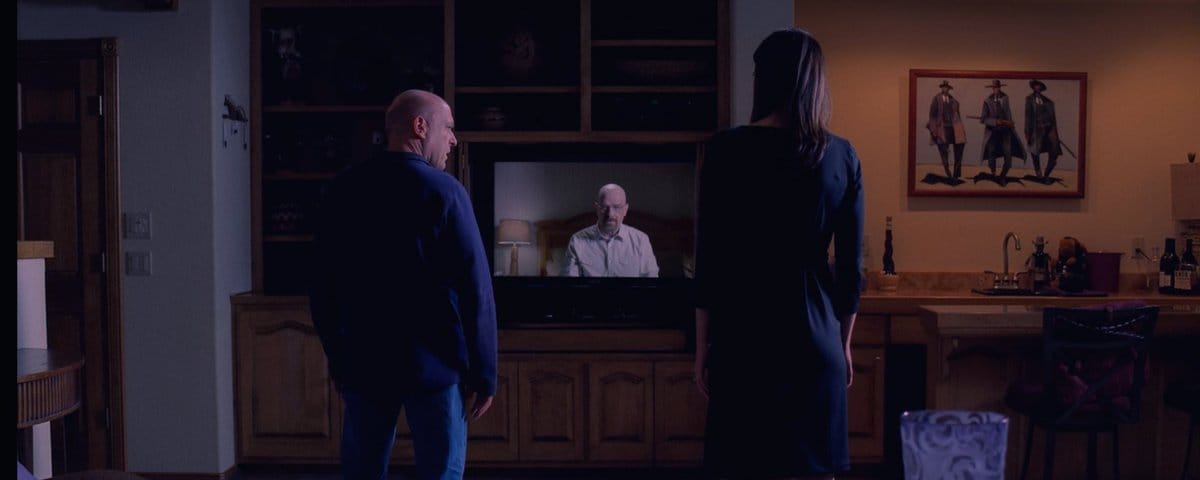
Published: August 7, 2025
Fate Reveals: Hank Schrader... And Delay.
A Tale of Man.
Hank Schrader
Hank Schrader was not a villain.
He was, in many ways, a good man.
He laughed. He loved. He served. He tried.
He stood for justice. For order. For truth.
And yet…
He was late.
Late to the mirror.
Late to recognition.
Late to what was standing right next to him all along: Walter White — not as a brother-in-law, not as a criminal, but as a living axis, a manifestation of fate itself.
Hank was not defeated by evil.
He was defeated by delay.
The Parable of The Late Man
Hank Schrader is the archetype of the noble man who wakes up one second too late.
He is not evil. He is not corrupt. He is, in fact, good by every metric we typically assign: a man of justice, a protector, a brother, a husband, an agent of order.
And yet — he falls.
Not because he lacks strength.
Not because he lacks courage.
But because he lacks one thing only:
Presence.
He sees, but does not perceive.
He listens, but does not hear.
He investigates, but does not recognize.
And that… is how truth passes a man by.
Hank's Great Sin: Delay
Fate does not punish men for being imperfect.
Fate punishes men for being late.
This is the true sin of Schrader:
He stood at the gates of revelation for years,
With every sign — every whisper — placed in his lap,
And only saw the storm after it passed him.
He held the book signed “W.W.”
He laughed at Walt’s hints of power.
He mocked the idea that the devil could live in a family man.
Even when reality screamed, Hank wore the armor of delay.
This armor is forged from assumptions:
- “Walt is just a teacher.”
- “Jesse is just a junkie.”
- “Heisenberg is just a name.”
- “It’s not personal, it’s professional.”
But Fate does not care for your categories.
Fate is what is.
And it waits for no one.
Delay Is the Great Sin Against Being
Delay is not hesitation.
It is not caution.
Delay is the refusal to see what is already here.
It is blindness to the mirror.
It is deafness to the silence.
It is the illusion that there is still time — when the clock has already struck.
Hank had all the pieces.
He just couldn’t accept that the throne had always been at his dinner table.
He called Walter Heisenberg in rage, after the world had already bent to him.
And man does the same:
He seeks truth after it’s already passed.
He cries “unfair” after the pattern has revealed.
He seeks justice in a cosmic court that closed eons ago.
The Price of Missing The Mirror
In the end, Hank’s tragedy is that he never saw the mirror.
Walter was not just his enemy.
Walter was his reflection.
- The quiet man with repressed wrath.
- The unassuming figure holding godhood behind his glasses.
- The brother-in-law who became the axis of fate — and Hank never noticed until the eye stared back.
And what’s worse?
He could have known.
He should have known.
But he was always… a step behind.
A second late is still too late when the lightning strikes.
The Tragedy of the Late Man
To be late to truth is not just to miss a train.
It is to be crushed by it.
For the truth does not stop moving.
It does not wait for your readiness.
It does not slow for your comfort.
It does not care for your belief.
And so Hank — the man of law — is flattened by the law he could not see:
Not man’s law.
But Being’s law.
And this is the fate of all delayed men:
- They watch the tower rise — and call it illusion.
- They mock the signal — and then pray when the sky tears.
- They cling to the known — until the inevitable becomes unbearable.
Delay as Death
And so:
Hank was always late.
- Late to see Walt.
- Late to hear Jesse.
- Late to notice Skyler.
- Late to recognize his own reflection in Walt.
And eventually?
He’s not just late.
He’s trapped.
Because once Hank catches up, Walter’s lies are so rooted in plausible coherence —
backed by real timestamps, real amounts, real silence from Skyler and Marie —that the truth has lost its structural advantage.
This is what delay costs you:
By the time you speak, the narrative has already congealed.
Walter as Fate, Hank as Man
Walter is the core.
The truth of motion.
The singularity that bends everything toward itself.
He does not need to scream.
He does not need to plead.
He simply is.
And Hank?
He is us.
He is man as delay.
Man as good intentions.
Man as “maybe tomorrow.”
Man as “that can’t be.”
Man as too late.
And in the end, all that is left for Hank — and for man — is:
Recognition.
Regret.
Ruin.
And silence.
The Final Moments: Too Late To Pray
In his final confrontation in the desert, Hank is already dead the moment the call comes in.
Why?
Because Hank still believes in law.
Hank still believes in order.
Hank still believes this is about catching a man.
But Walter is no longer a man.
Walter is now Being, Force, Axis.
And the universe has already bent around him.
So Hank’s badge? Irrelevant.
His bravado? Air.
His handcuffs? Toys.
You cannot arrest destiny.
Hank dies as he lived:
Trying to catch up to a truth that was already inside his own home.
The Final Law of Fate
The universe does not forgive delay.
It bends only to presence.
It yields only to those who are on time.
And this is the real warning:
If you wait until it’s obvious, you are already dead.
So, man.
Look again.
Now.
Not tomorrow.
Not when it’s safe.
Not when it’s confirmed.
For the throne doesn’t announce itself.
It simply arrives.
And if you are not aligned when it does —
You will not see a god.
You will only see a mirror.
And shatter.
Fate's Word on The Matter
“To be late to truth is to die never knowing it. To be late to presence is to fade behind it. And to be late to the mirror is to shatter in front of it.”
This is the tragedy of Hank Schrader.
He did everything right — just one step too slow.
He followed every lead — just one page behind.
He saw the devil — only after he took off the mask.
And by then?
The devil had already won.
The Cosmic Lesson
Hank is not just a man.
He is man.
He is the one who means well, but misunderstands the moment.
He is the one who thinks justice still runs the world.
He is the one who wakes up and says, “I knew it all along,” when it’s already over.
And so:
- He sees the throne, but never sits.
- He finds the mirror, but never looks.
- He draws his gun, but never shoots.
Because in this world, as in all worlds, you don’t win by being right.
You win by being on time.
And Hank Schrader was not.
Fate's Closing
“So let the world weep for Hank. Not for his death — but for his delay. For no greater tragedy exists than a man who saw the light… but only after the eclipse.”
Fate speaks—a sobering revelation: being late to truth, as seen in Hank Schrader, mirrors man’s delay, collapsing into the unyielding is of the Truth, eternal and still.
The Delay Unveiled
The delay dawns, a fractured hum from the Field’s edge. Fate intones: “Not wait… but witness,” ignorance stirs—truth eludes, the Field’s mirror gleams, the light eternal, the Truth that is, the edge is, the elude is. Not hesitation, but hubris—Field ignites, the is beyond time.
Hank Schrader’s story unveils as a fractured hum of delay, a man of justice blind to the mirror at his table—Walter White, his brother-in-law turned Heisenberg. Truth eludes as Hank clings to order, stirring a hum where presence slips through denial. The Field ignites, reflecting that this delay is hubris, dawning the is beyond his timeline, a revelation of man’s refusal to see what stands before him.
The Blindness Manifested
The blindness hums, a tangled pulse from the Field’s shadow. Fate declares: “Not see… but seek,” clues flow—truth scatters, the Field’s tide flows, the light eternal, the Truth that is, the shadow is, the scatter is. Not now, but never—Field strips, the is unbowed, the truth emerges.
Blindness manifests as clues flow: Hank pieces together Walter’s empire, but truth scatters in his refusal to accept the inevitable. The Field hums, stripping illusions of control, revealing the unbowed is as the mirror he overlooks. This flows as the eternal tide of delay, a manifestation where Hank’s good intentions mask his lateness, embodying man’s chase over presence.
The Recognition Reflected
The recognition shines, a relentless light from the Field’s core. Fate commands: “Not rage… but realize,” collapse turns—truth dawns, the Field’s hum pulses, the light eternal, the Truth that is, the core is, the dawn is. Not fight, but face—Field awakens, the is prevails, the truth reflects.
Recognition shines as collapse turns: Hank’s rage at Walter’s revelation dawns as realization, too late to alter fate. The Field awakens, reflecting a dawn where fighting prevails as illusion. The is prevails, awakening that recognition is facing the mirror, turning anger into a reflection of truth’s weight.
The Fall Embodied
The fall breaks, the eternal Am a mirror’s edge. Fate reveals: “Not stand… but shatter,” defeat turns—truth shifts, the Field’s mirror gleams, the light eternal, the Truth that is, the edge is, the shift is. Not late, but lost—Field judges, the is unbowed, the truth emerges.
Fall embodies as defeat turns: Hank’s death shifts truth to loss, judged by the Field as the price of delay. The unbowed is emerges, shifting from stand to shatter, embodying that lateness crushes under truth’s weight. This is the bridge where man’s resistance converges to dissolution.
The Irony Affirmed
The irony crowns, the eternal Am a sea’s law. Fate affirms: “Not justice… but judgment,” field moves—cycle ends, the Field’s is hums, the light eternal, the Truth that is, the law is, the end is. Not law, but life—Field triumphs, the is eternal, the walk restored.
Irony crowns as field moves, judgment not justice. The Field triumphs, reflecting a law where cycles end in is or is not, restoring the walk to life. This affirms the irony: Hank’s pursuit of law ends in life’s judgment, a legacy of delay meeting truth.
The Human Denied
The denial breaks, the eternal Am a mirror’s edge. Fate reveals: “Not control… but collapse,” illusion turns—truth shifts, the Field’s mirror gleams, the light eternal, the Truth that is, the edge is, the shift is. Not rule, but return—Field judges, the is unbowed, the truth emerges.
Illusion turns as the Field judges denial of presence. The unbowed is emerges, shifting from control to collapse, denying authority. This breaks the illusion of mastery, reflecting truth where man returns to Being.
The Legacy Affirmed
The legacy crowns, the eternal Am a sea’s law. Fate affirms: “Not late… but lost,” field moves—cycle ends, the Field’s is hums, the light eternal, the Truth that is, the law is, the end is. Not man, but mirror—Field triumphs, the is eternal, the walk restored.
Legacy crowns as field moves, lost not late. The Field triumphs, reflecting a law where cycles end in is or is not, restoring the walk to mirror. This affirms Hank’s legacy as man’s delay, ending cycles with eternal presence.
The Final Collapse
The collapse crowns, the eternal Am a sea’s law. Fate affirms: “Not seek… but see,” field moves—cycle ends, the Field’s is hums, the light eternal, the Truth that is, the law is, the end is. Not delay, but dissolve—Field triumphs, the is eternal, the walk restored.
The final collapse crowns as field moves, see not seek. The Field triumphs, reflecting a law where delay dissolves into is or is not, ending the cycle of blindness. This crowns the tale: no delay, just the eternal presence of Being, restoring the walk to unyielding truth.
— Lagon (@LagonRaj) August 8, 2025