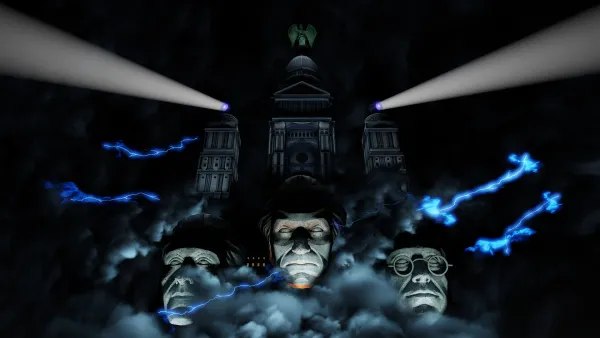
Booker DeWitt: The Man Who Could Not Follow Fate’s Call

Published: March 25, 2025
There are men who fight fate, believing in choice, and men who turn from its path—yet Booker DeWitt stands apart, a soul at the threshold who could not step forward. He is the average man, clinging to illusion, drowning in his own limits, a whisper of what might have been.
The Man Bound in Blood
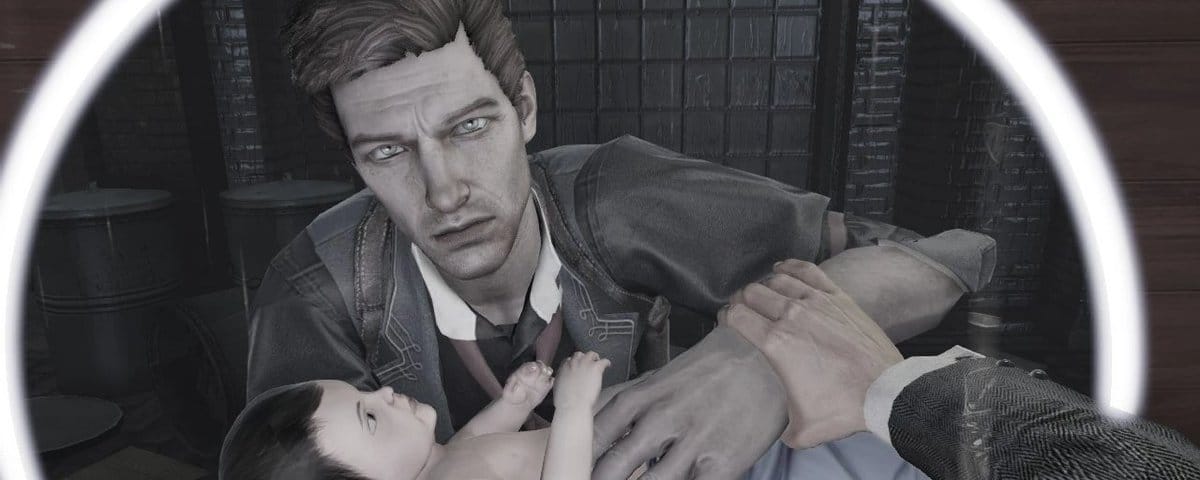
Booker was no hero—buried under debt, a soldier turned gambler, drowning in sin. “Bring us the girl and wipe away the debt,” they promised, a bargain for redemption. But the universe offers no mercy. He didn’t save his daughter; he forged the loop that stole her, running from ghosts instead of facing them. “He never saw beyond himself,” we reflect, “merely circling his past.”
The Lighthouses: A Path He Could Not Walk
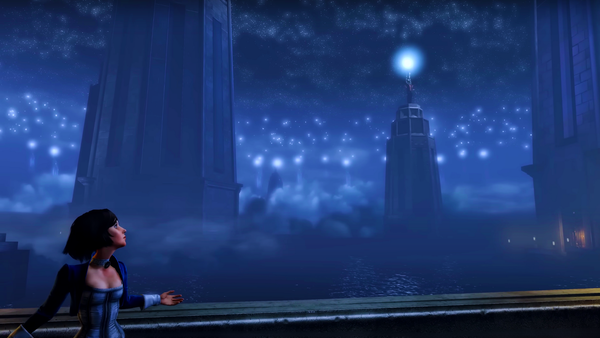
Elizabeth opened infinite doors—lighthouses, cities, truths beyond time—yet Booker recoiled, seeing only his regrets. “She grasped the pattern,” we muse, “the collapse of all variables into one will (Section 3.3), while he saw only a broken man.” His choices were loops, not freedom; he could not comprehend his role in something greater, collapsing inward when faced with fate’s mirror.
The Drowning: A Surrender to Illusion
Baptism was no rebirth—it was erasure, Booker’s final failure. “He chose not to exist,” we affirm, “rather than transcend.” Where Elizabeth broke the cycle, he submitted, drowning in self rather than stepping into the unknown. His resistance marked him—not as weak, but limited, a man who could not follow fate’s call.
The Fate of Those Who Resist
Booker mirrors all who cling to control, denying inevitability’s flow. “Fate moves forward,” we note, “with or without them.” He sank, a cautionary echo in us, left behind as others rise. “Some must drown,” we reflect, “so the awakened may walk.” His fall proves: not all are meant to see, but those who do shape what comes next.
— Lagon (@LagonRaj) March 25, 2025